Metal fabrication industries require fast, clean, and accurate pipe cutting to meet production demand and quality standards. To achieve this, many manufacturers are shifting from conventional methods to advanced laser technology, and the Fiber Laser Pipe Cutting Machine has become a preferred solution worldwide. It improves productivity, reduces rework, and helps deliver consistent output in high-volume pipe and tube fabrication.
What is a Fiber Laser Pipe Cutting Machine?
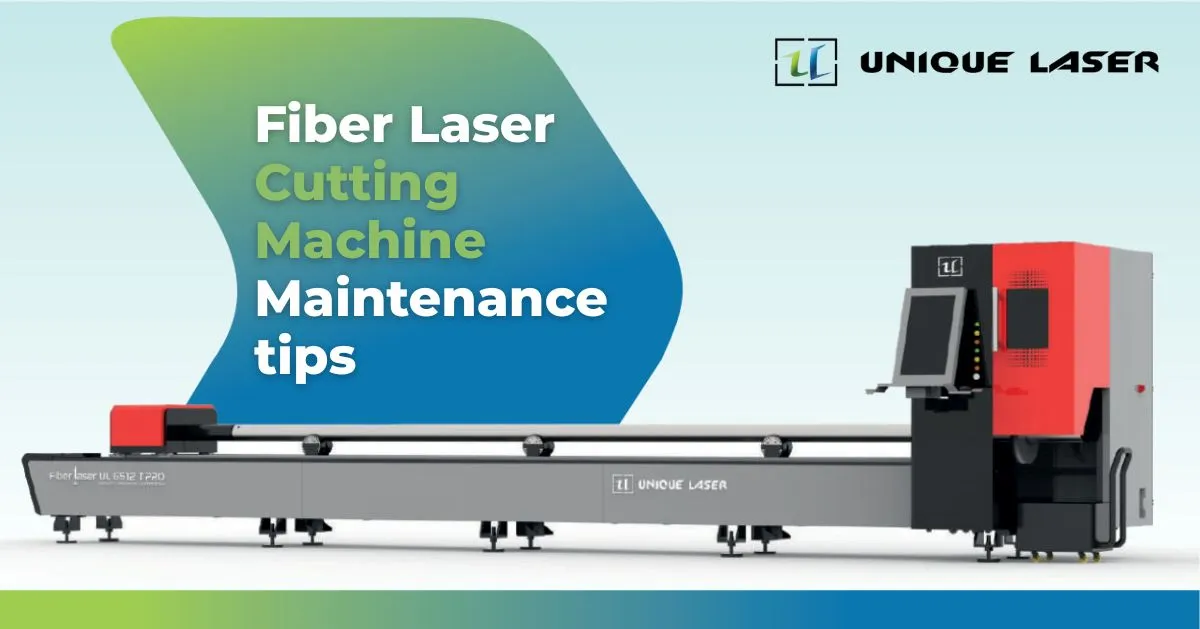
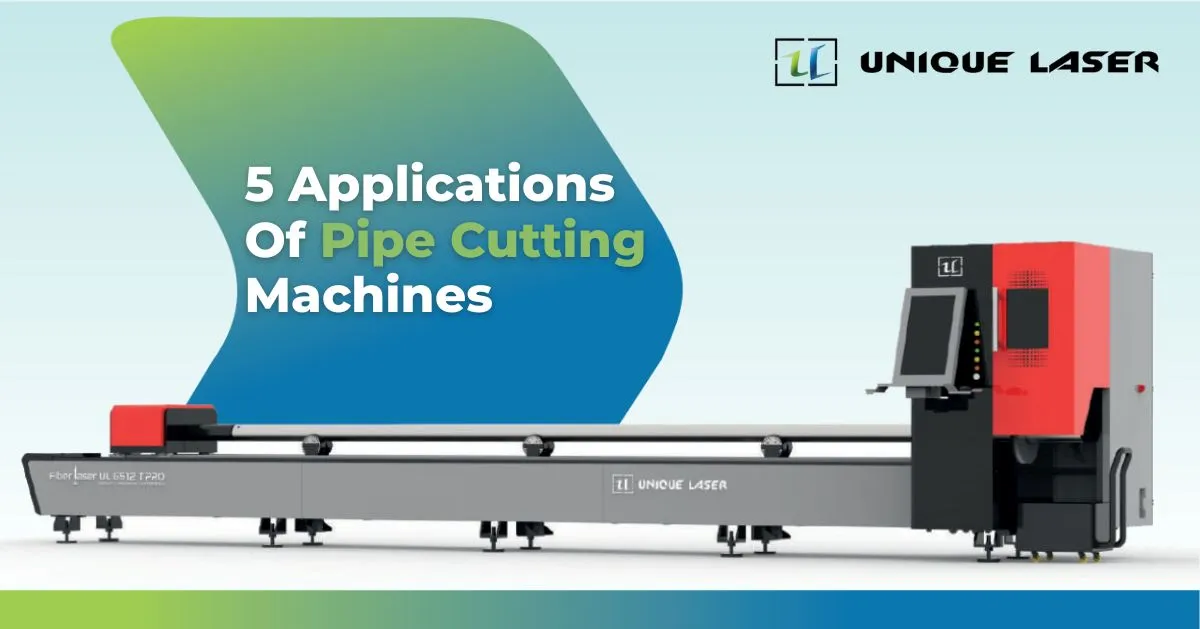
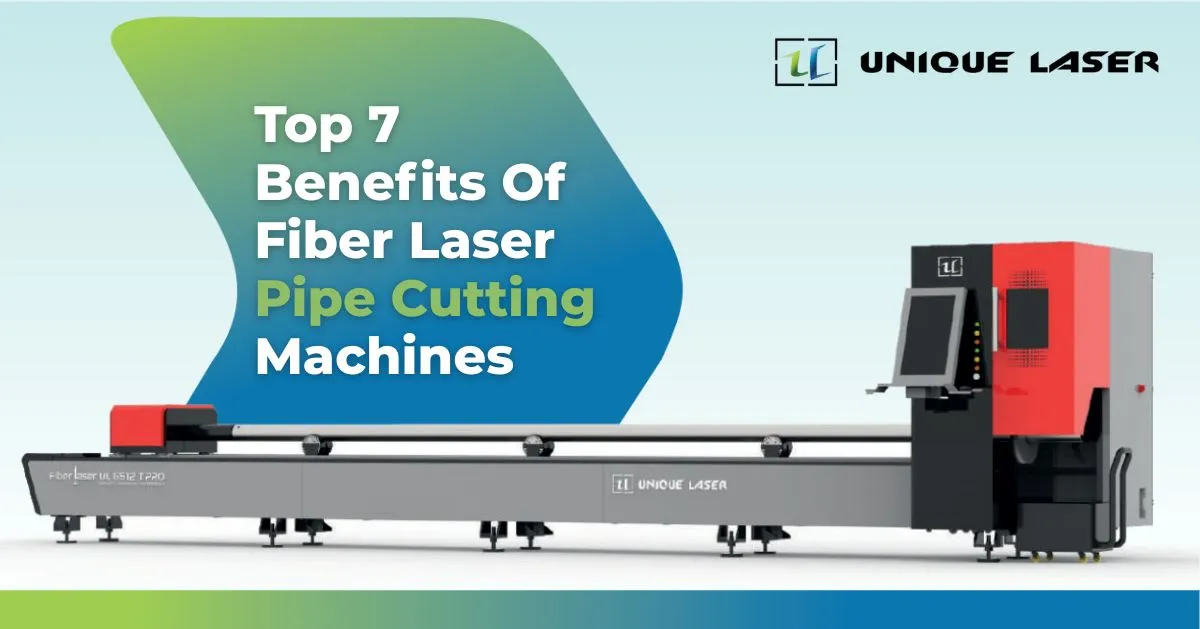
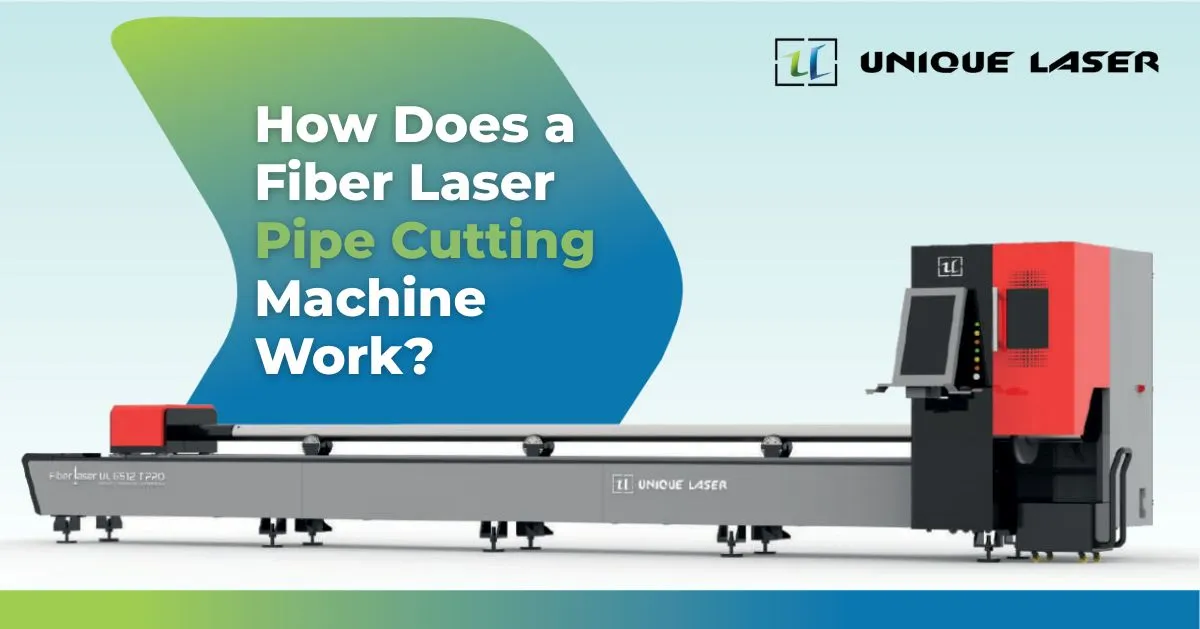
A fiber laser pipe cutting machine is an advanced industrial system that cuts metal pipes and tubes using a high-energy laser beam. Instead of using mechanical blades, the cutting process uses concentrated heat that melts metal precisely along the cutting line, and the Fiber Laser Pipe Cutting Machine produces clean cuts with excellent repeatability. This makes it ideal for industries that require fast production along with precise cutting results.
It can process multiple pipe and tube shapes such as:
- Round pipe cutting
- Square tube cutting
- Rectangular tube cutting
- Oval and custom profile cutting
- Structural sections and joint cuts
It is commonly used for laser pipe cutting and tube laser cutting in industrial fabrication where accuracy and speed matter.
Working Principle of a Fiber Laser Pipe Cutting Machine
Laser cutting works by focusing laser energy onto the surface of a metal pipe. The energy generates intense heat in a very small area, melting the metal quickly and forming a narrow cut. During the cutting process, the Fiber Laser Pipe Cutting Machine controls the movement of the cutting head and synchronizes pipe rotation to ensure stable and accurate cutting output. Because the heat is concentrated in a small zone, the cut remains clean and distortion is minimized.
To support better cutting quality, assist gas plays a key role by:
- Removing molten metal
- Improving cut edge finish
- Helping maintain stable cutting speed
- Reducing oxidation on the cut surface (especially on stainless steel)
This working principle helps achieve smooth and professional cutting results in pipe fabrication.
How Does a Fiber Laser Pipe Cutting Machine Work?
Pipe laser cutting is a synchronized process where rotation, motion control, laser output, and assist gas work together. In industrial pipe fabrication, the Fiber Laser Pipe Cutting Machine follows a step-by-step workflow that ensures cutting precision and repeatability.
Step 1 – Pipe Loading & Clamping
The pipe is first loaded into the machine and securely held using rotary chuck systems. Stable clamping is essential, especially for long pipes, and the Fiber Laser Pipe Cutting Machine uses strong gripping mechanisms to prevent slippage and misalignment.
Pipe loading options may include:
- Manual pipe loading
- Semi-automatic loading
- Fully automatic loading
Step 2 – Design Input and Cutting Program Setup
After clamping, the cutting design is loaded into the system. Designs may include simple length cutting or complex patterns such as holes, joints, and slots. During this stage, the Fiber Laser Pipe Cutting Machine calculates the required cutting path, pipe rotation, and cutting speed to ensure the final shape matches the required design.
This setup stage helps in:
- Accurate part positioning
- Reduced errors
- Better production control
- Faster processing for repeated jobs
Step 3 – Laser Beam Generation
The fiber laser source generates the laser beam, and its power depends on the cutting thickness and production requirement. When manufacturers need high-speed performance, the Fiber Laser Pipe Cutting Machine uses optimized laser power settings for stable output.
Common laser power ranges include:
- 1kW–3kW (light duty)
- 4kW–6kW (industrial production)
- 8kW–12kW (thick-wall/high speed)
Higher laser power generally improves cutting capacity and speed.
Step 4 – Beam Delivery & Focus
The beam travels through optical fiber and reaches the cutting head, where a lens focuses it into a small spot. This focused beam improves cutting density, and the Fiber Laser Pipe Cutting Machine achieves accurate results even for complex profiles. Auto-focus cutting heads ensure consistent quality by adjusting focus based on the pipe surface.
Step 5 – Cutting Process with Pipe Rotation
This is the core working stage where the pipe rotates and the laser head moves according to the program. High precision comes from perfect coordination, and the Fiber Laser Pipe Cutting Machine synchronizes pipe rotation and axis movement to perform operations such as:
- Straight cuts
- Angle cuts
- Slot cutting
- Hole cutting
- Joint cuts for welding
Step 6 – Assist Gas & Cooling System
Assist gas removes molten metal and improves edge quality, while cooling systems protect the laser source. For better cutting output, the Fiber Laser Pipe Cutting Machine uses gases depending on material type:
- Oxygen: faster cutting (mild steel)
- Nitrogen: clean edges (stainless steel)
- Compressed air: cost-effective for thin metals
A chiller maintains stable temperature, preventing overheating and ensuring consistent performance.
Step 7 – Finished Part Output
Once cutting is complete, the pipe section is unloaded manually or automatically based on machine configuration. To maintain consistent production quality, the Fiber Laser Pipe Cutting Machine ensures repeatability across batches and reduces human errors. Final checks often include:
- Edge finish inspection
- Dimension accuracy check
- Alignment of holes and slots
This ensures the finished part meets production standards.
Want faster and cleaner pipe cutting for your production line?
Contact Us today for expert guidance and the right machine solution.
Key Components of a Fiber Laser Pipe Cutting Machine
Machine performance and cutting stability depend on component quality. In industrial applications, the Fiber Laser Pipe Cutting Machine includes key components that support precision and automation:
- Fiber laser source
- Auto-focus cutting head
- Rotary chuck & tailstock
- CNC control system
- Servo motors and drive system
- Chiller / cooling unit
- Exhaust and fume extraction system
- Rigid bed structure and frame
The quality of these components directly affects productivity and maintenance cost.
Process Parameters That Affect Cutting Quality
Cutting quality depends on correct parameter selection, especially when processing different metals. During production, the Fiber Laser Pipe Cutting Machine uses optimized parameters for stable and accurate output.
| Parameter | Role in Cutting | Impact on Output |
| Laser Power | Controls energy | Higher power enables thicker cutting |
| Cutting Speed | Controls cut time | Too fast may cause incomplete cut |
| Assist Gas | Removes molten metal | Nitrogen gives clean edge finish |
| Focus Position | Accuracy of beam spot | Incorrect focus reduces quality |
| Rotation Accuracy | Pipe alignment control | Better rotation improves repeatability |
Benefits of Fiber Laser Pipe Cutting Machine Working System
This technology delivers strong advantages for industries that need fast production, high cutting accuracy, and consistent quality output. Manufacturers often face challenges such as uneven cutting edges, high material wastage, and time-consuming finishing work when using traditional pipe cutting methods. To overcome these issues, many fabrication units adopt automation-ready laser cutting systems, and the Fiber Laser Pipe Cutting Machine has become a preferred solution for modern industrial pipe and tube processing. It improves productivity, reduces manpower dependency, and ensures clean cutting results even in continuous production.
High cutting accuracy and repeatability
A Fiber Laser Pipe Cutting Machine provides extremely accurate cuts with excellent repeatability, ensuring every pipe is produced with the same dimensions, angles, and profiles. This improves consistency in fabrication and assembly, reduces mismatch problems during welding, and minimizes rejection rates in high-volume production.
Faster production speed than traditional cutting
Compared to manual cutting, saw cutting, or plasma cutting, fiber laser technology offers significantly higher cutting speed. It reduces overall cycle time and increases daily production capacity, making it highly suitable for large manufacturing units, bulk orders, and time-sensitive industrial projects.
Smooth edges with minimal burr
The cutting output is clean and precise with very low burr formation. This reduces the need for grinding, polishing, deburring, or other secondary finishing processes. As a result, manufacturers save labor time, lower finishing costs, and achieve better surface quality for further assembly or coating.
Less material waste and better yield
Fiber laser cutting uses a narrow cutting line and optimized cutting paths, which helps reduce metal scrap and wastage. Better material utilization improves production yield and lowers overall raw material cost, especially when processing expensive metals or running continuous manufacturing operations.
Low running and maintenance costs
A Fiber Laser Pipe Cutting Machine requires fewer consumables compared to conventional methods, and it offers high energy efficiency for long-term use. Regular cleaning, basic inspections, and timely maintenance keep the machine running smoothly, reducing downtime and minimizing overall operational expenses.
Supports mass production and automation
This technology is ideal for continuous high-output manufacturing. It can be integrated with automatic loading and unloading systems, reducing manual work and improving production workflow. With stable performance and repeatable output, fiber laser pipe cutting machines support mass production while maintaining high-quality standards.
Common Applications of Fiber Laser Pipe Cutting
Pipe and tube cutting is a critical requirement in multiple industries where metal structures, frames, and components are manufactured daily. Since industries demand clean cutting edges and accurate dimensions for assembly and welding, traditional cutting methods often fall short in speed and consistency. With its advanced cutting capability and flexible operation, the Fiber Laser Pipe Cutting Machine is widely used for precision cutting, hole making, slot cutting, and profile cutting across modern fabrication industries. It also supports complex pipe designs used in structural and engineering applications.
Common industries and applications include:
- Construction and structural fabrication – cutting pipes for frames, scaffolding, and structural supports
- Automotive exhaust systems and frames – manufacturing pipes for chassis parts, exhaust components, and assemblies
- Furniture frame production – cutting tubes for chairs, tables, racks, and metal furniture structures
- Architectural railings and fittings – producing handrails, stair railings, decorative structures, and building fittings
- Fitness equipment manufacturing – cutting pipes for gym machine frames and support components
- Agricultural machinery components – manufacturing tubular parts for farming tools and equipment structures
- General fabrication and engineering workshops – supporting customized pipe cutting for industrial job works
Because of its speed and high accuracy, fiber laser pipe cutting is also becoming popular in export manufacturing where consistent quality standards are important.
Common Problems & How to Solve Them
Most cutting issues can be avoided through proper calibration and maintenance practices. For consistent performance, the Fiber Laser Pipe Cutting Machine should be maintained with correct parameter settings and inspection routines.
Common problems and fixes:
Burr formation
Burrs commonly appear when cutting parameters are not properly balanced or when assist gas support is insufficient. In such cases, the Fiber Laser Pipe Cutting Machine may produce rough edges due to incorrect speed, nozzle condition, or gas flow. To reduce burr formation, lower cutting speed slightly, optimize assist gas pressure and flow, and ensure the nozzle is clean and properly aligned. Also inspect the nozzle for wear or damage, as a worn nozzle can disturb airflow and reduce edge quality.
Incomplete cut
Incomplete cutting happens when laser energy is not enough to penetrate the pipe thickness or cutting speed is too high. To solve this, increase laser power, reduce cutting speed gradually, and confirm that the focus position is correctly set for the material thickness. Also inspect the nozzle gap and ensure assist gas is properly supplied for stable cutting.
Pipe misalignment or shifting during cutting
Misalignment occurs due to weak clamping or improper pipe centering, which can lead to uneven cuts and dimensional errors. To avoid this, tighten the clamping system properly, ensure the pipe is positioned at the center, and check that rotation is stable before starting the job. For long pipes, additional support may be required to prevent vibration and shifting.
Lens contamination / cutting head dirt
Dust, and metal particles can accumulate on the protective lens, reducing beam quality and cutting performance. To prevent this issue, clean the protective lens regularly, confirm that fume extraction is working efficiently, and avoid excessive smoke buildup inside the cutting area. Regular inspection of lens condition helps maintain consistent accuracy and prevents damage to optical parts.
Focus error / uneven cutting depth
Incorrect focus can cause inconsistent cutting depth, rough edges, and unstable cutting performance. To fix this, recalibrate focus settings, verify the cutting head distance from the pipe surface, and ensure that the focusing system is functioning correctly. Maintaining stable focus improves edge finish and ensures consistent cutting results across multiple parts.
Cooling warning / temperature rise
Cooling warnings occur when the chiller system fails to maintain the required operating temperature, which can affect machine performance. To solve this, check coolant flow and coolant level, verify temperature settings, and ensure the chiller fan and pump are working properly. Also inspect coolant filters and tubing for blockages, as smooth cooling flow is essential for long working hours.
Frequently Asked Questions
It works by generating a high-power laser beam that melts metal while CNC controls pipe rotation and cutting head movement for accurate cutting.
The laser beam heats the metal surface to melt it, and assist gas removes molten metal for a smooth cutting edge.
Oxygen is used for faster cutting in mild steel, and nitrogen is used for oxidation-free cutting in stainless steel and aluminum.
Yes, the machine cuts stainless steel pipes with clean edges, especially when nitrogen gas is used.
Yes, it supports automation and consistent accuracy, making it suitable for large-scale production.
Conclusion
Understanding the working process helps manufacturers make better buying decisions and improve production output. With advanced motion, laser energy control, and automation capability, the Fiber Laser Pipe Cutting Machine delivers high-quality cutting for pipe and tube fabrication. It supports multiple pipe shapes, reduces waste, and improves efficiency, making it an ideal solution for precision-driven industrial manufacturing.