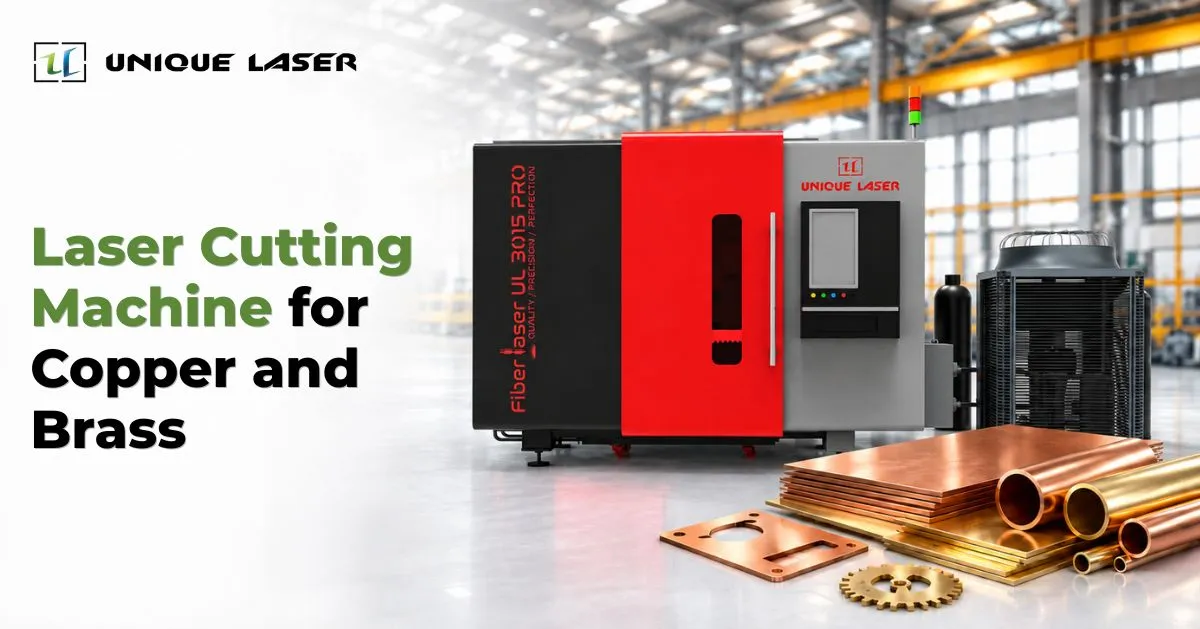
Copper and brass are widely used in electrical equipment, industrial components, decorative products, and engineering applications. However, their reflective properties make cutting them different from processing many other metals. Selecting a suitable Laser Cutting Machine requires careful consideration of material thickness, laser power, cutting quality, and production requirements. Understanding these factors helps manufacturers evaluate the right equipment for processing copper and brass components.
Why Copper and Brass Require Special Cutting Considerations?
Copper offers excellent electrical and thermal conductivity, while brass provides useful machinability, corrosion resistance, and an attractive finish. Both materials can reflect laser energy, making the choice of laser source and operating parameters particularly important.
When evaluating fiber laser cutting technology, manufacturers should consider:
- Material thickness: Cutting requirements vary according to the thickness and grade of copper or brass.
- Laser power: The appropriate power depends on the material, thickness, and required cutting speed.
- Cutting parameters: Correct settings help achieve suitable edge quality and stable processing.
- Machine configuration: The laser source, cutting head, assist gas, and control system all influence performance.
Applications of Laser Cutting Copper and Brass
A suitable copper laser cutting machine or brass-processing setup can support the production of components across several industries, subject to the machine’s verified capabilities.
- Electrical and electronics: Copper components, conductive parts, and selected electrical fittings.
- Industrial manufacturing: Custom metal parts, brackets, and fabricated components.
- Engineering and machinery: Precision-cut components used in equipment assemblies.
- Decorative products: Brass panels, nameplates, and selected design elements.
- Sheet metal fabrication: Profiles and components produced according to programmed designs.
The final application depends on material grade, component geometry, thickness, and the required cutting finish.
Looking for a reliable Laser Cutting Machine for copper and brass processing? Contact Us to discuss your material, thickness, and production requirements.
Benefits of Using a Laser Cutting Machine for Copper and Brass
Using a suitable Laser Cutting Machine can help manufacturers process copper and brass components with programmed cutting paths and repeatable results. The main benefits depend on the machine configuration, material thickness, and production requirements.
- Precision cutting: A CNC laser cutting machine follows programmed designs to produce detailed component profiles.
- Flexible designs: A suitable Copper Laser Cutting Machine can process different shapes and contours within its verified cutting capabilities.
- Consistent production: CNC-controlled movement helps maintain repeatability across manufacturing batches.
- Reduced manual intervention: Automated cutting paths can simplify repetitive metal fabrication tasks.
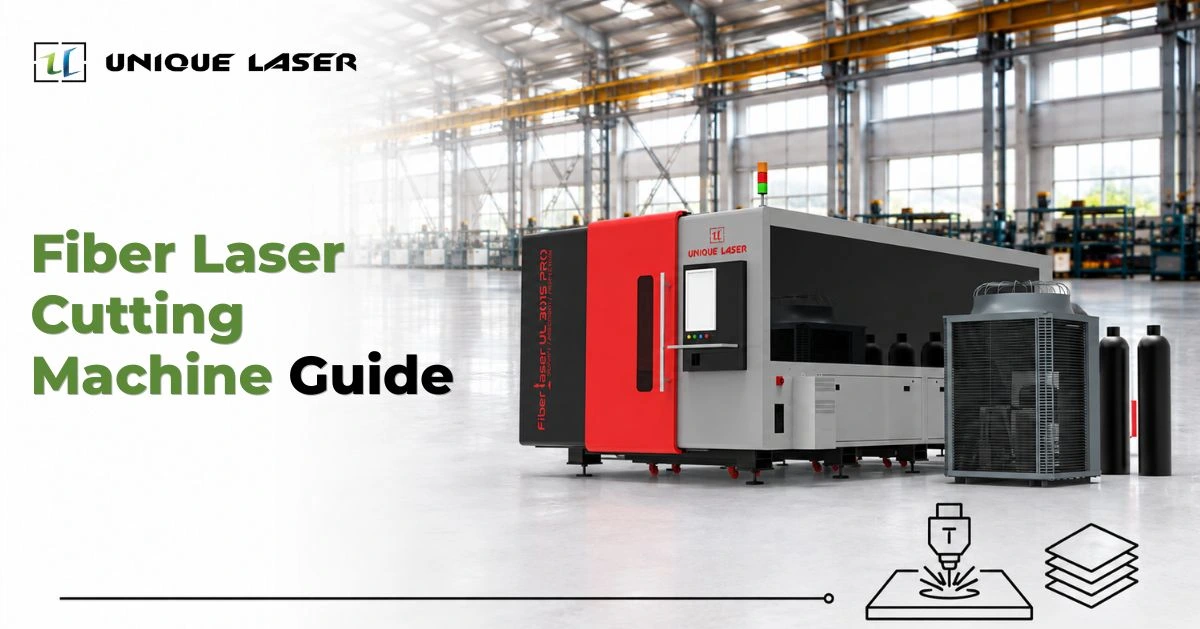
- Versatile applications: A suitable Fiber Laser Cutting Machine may support copper and brass processing when its laser source, power, and configuration are appropriate for the materials.
Common Challenges When Laser Cutting Copper and Brass
Although a Brass Laser Cutting Machine or copper-compatible fiber laser system can support precision fabrication, manufacturers must account for the properties of these reflective metals.
- High reflectivity: Copper and brass can reflect laser energy, making laser-source suitability and machine configuration important.
- Heat conductivity: Copper transfers heat rapidly, which can affect energy distribution during cutting.
- Material thickness: The cutting capacity of a Laser Cutting Machine for Metal depends on laser power, material grade, thickness, and operating conditions.
- Cutting parameters: Focus position, cutting speed, and assist-gas settings influence edge quality and process stability.
- Machine compatibility: Before purchasing a Fiber Laser Cutting Machine, manufacturers should confirm its suitability for their specific copper or brass grade and thickness.
Choosing the Right Laser Cutting Machine
Before investing in a Laser Cutting Machine for copper and brass, manufacturers should evaluate the following points:
- Laser source and power: Confirm that the configuration supports the intended material and thickness.
- Working area: Match the machine dimensions to the sheet sizes being processed.
- Cutting accuracy: Review positioning specifications and the tolerances required for finished components.
- Control system: Check CNC functionality and compatibility with the production workflow.
- Automation features: Consider nesting software, material handling, and monitoring requirements.
- Technical support: Evaluate installation, operator training, maintenance, and spare-parts availability.
Frequently Asked Questions
Yes, laser cutting can process copper when the laser source, power, material thickness, and operating parameters are suitable for the application.
Yes, brass can be laser-cut using an appropriately configured system. Cutting performance depends on the brass grade, thickness, laser power, and process settings.
Copper has high reflectivity and thermal conductivity, which affect how laser energy is absorbed and distributed during cutting.
Material thickness, laser power, focus position, cutting speed, assist gas, and machine configuration can all influence edge quality and cutting consistency.
Evaluate the material specifications, required thickness, workpiece dimensions, production volume, cutting accuracy, and machine capabilities. Confirm the recommended configuration with the manufacturer.
Conclusion
Cutting copper and brass successfully requires the right combination of laser technology, machine configuration, and process parameters. A Laser Cutting Machine with suitable power and capabilities can help manufacturers process these reflective metals according to their production requirements. Before selecting equipment, businesses should assess material thickness, cutting quality, production targets, and machine specifications. Confirming copper- and brass-specific capabilities with the supplier helps ensure the chosen solution matches the intended manufacturing application.