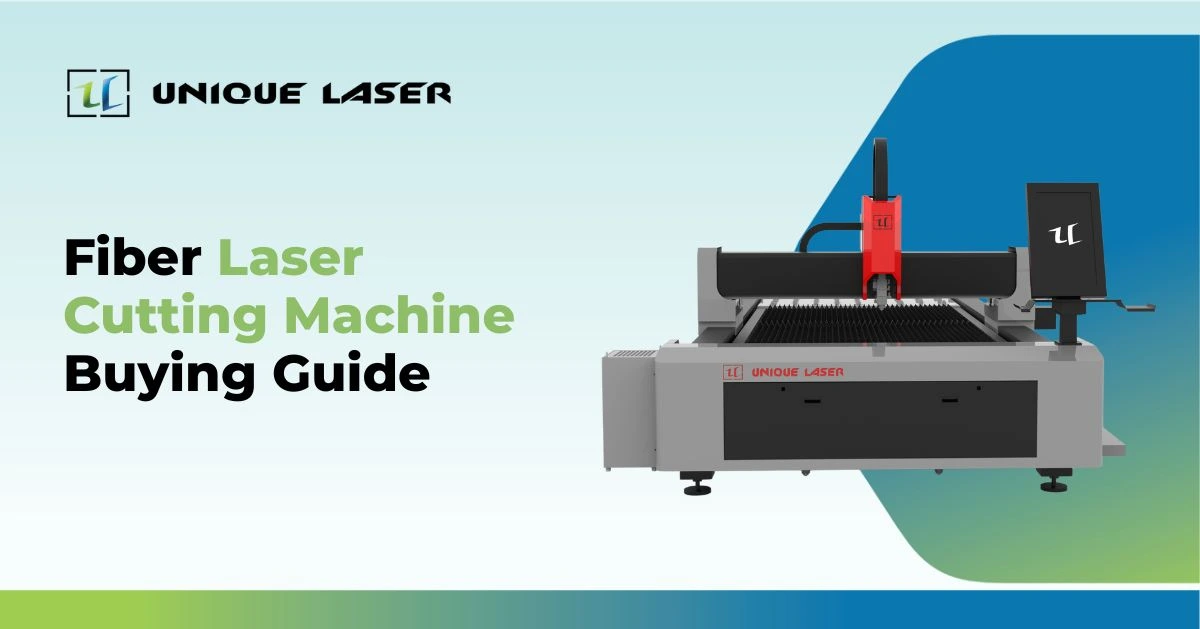
Modern manufacturing industries require fast, accurate, and reliable cutting solutions to improve production efficiency and maintain consistent fabrication quality. Traditional metal cutting methods often create uneven edges, excessive material waste, and slower processing speed, which increases operational cost and reduces productivity. Because of these limitations, many industries now prefer advanced laser technology for industrial metal processing and automated fabrication operations.
A modern Fiber Laser Cutting Machine helps manufacturers achieve smooth edge quality, high cutting precision, faster production speed, and improved operational efficiency for industrial fabrication applications. These machines are widely used in automotive manufacturing, engineering industries, heavy fabrication, electrical panel production, machinery manufacturing, and structural metal processing.
Choosing the right machine is important because machine capability directly affects production quality, operational efficiency, automation support, and long-term manufacturing performance. Understanding important machine specifications and production requirements helps businesses select the correct laser cutting solution for industrial applications.
Why Industries Prefer Fiber Laser Cutting Machine Technology
Modern fabrication industries prefer laser cutting systems because they provide stable production quality and higher operational efficiency compared to traditional cutting methods. In industrial manufacturing environments, the Fiber Laser Cutting Machine improves cutting accuracy, reduces finishing work, and supports high-speed automated production.
Industries prefer fiber laser cutting technology because it offers:
- High cutting precision and repeatability
- Faster production speed
- Reduced material waste
- Smooth edge finish with minimal burr
- Lower maintenance requirements
- Improved automation support
These advantages help industries improve productivity while reducing operational downtime and manufacturing cost.
Understanding Production Requirements Before Buying
Before selecting a machine, manufacturers should carefully evaluate production requirements and fabrication applications. Different industries require different cutting capacities, automation levels, and operational capabilities depending on production type and manufacturing volume.
Important production factors include:
- Material type and thickness
- Daily production volume
- Required cutting accuracy
- Automation requirements
- Future production expansion
- Available factory space
A properly selected Fiber Laser Cutting Machine helps manufacturers maintain stable production quality and long-term operational efficiency.
Importance of Laser Power Selection
Laser power is one of the most important specifications because it affects cutting thickness capability, production speed, and operational performance. Machines with lower power are generally suitable for light fabrication applications, while higher power systems support heavy industrial manufacturing and thick metal cutting operations.
Higher laser power provides:
- Faster cutting speed
- Better thick metal processing capability
- Improved production efficiency
- Reduced cutting cycle time
- Stable industrial cutting performance
Selecting the correct Fiber Laser Cutting Machine power capacity helps manufacturers improve production output and fabrication quality.
Material Compatibility in Fiber Laser Cutting Machine
Industrial fabrication businesses process different metal materials depending on manufacturing applications. A high-performance Fiber Laser Cutting Machine should support multiple industrial metals while maintaining smooth edge quality and cutting precision.
Common supported materials include:
- Stainless steel
- Mild steel
- Carbon steel
- Aluminum
- Galvanized sheet
- Brass and copper
Material flexibility improves production capability and supports multiple fabrication applications within a single manufacturing environment.
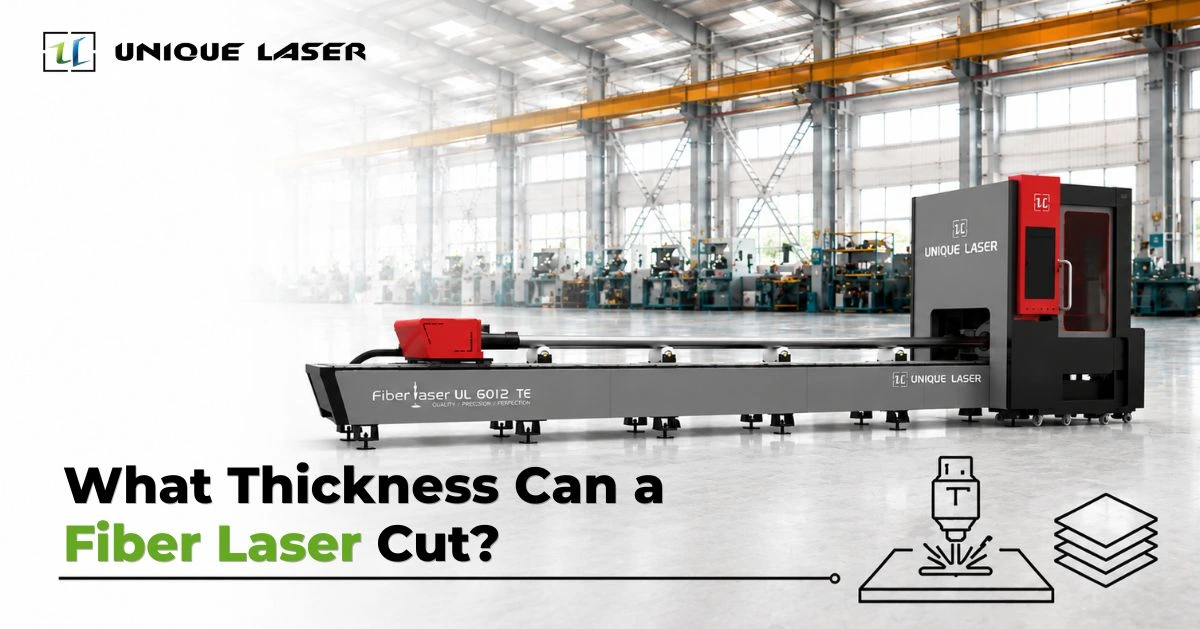
What to Expect from This Fiber Laser Pipe Cutting Machine
Based on the machine specifications, this Fiber Laser Pipe Cutting Machine is designed for industrial pipe fabrication and structural metal processing applications requiring stable production performance and large pipe handling capability.
Support for Large Pipe Processing
The machine supports pipe diameters up to 400 mm, making it suitable for:
- Structural steel fabrication
- Heavy industrial pipe processing
- Construction applications
- Engineering fabrication work
Long Pipe Cutting Capability
With support for pipe lengths up to 6000 mm, manufacturers can process long pipes and structural profiles more efficiently while improving workflow and reducing manual handling.
High-Speed Industrial Production
The machine specifications support fast movement and stable cutting operations for improved daily production output and operational efficiency in continuous manufacturing environments.
Stable Cutting Accuracy and Repeatability
High positioning accuracy helps manufacturers achieve:
- Accurate pipe cutting
- Better welding fitment
- Reduced material rejection
- Consistent dimensional quality
Suitable for Medium and Heavy Fabrication Work
The machine supports both light fabrication and heavy industrial processing applications, making it suitable for multiple production requirements.
Industrial-Grade Machine Stability
The heavy-duty machine structure helps reduce vibration during operation and supports long-term cutting stability for industrial manufacturing environments.
Reliable Industrial Power Support
The machine operates on industrial three-phase power supply, supporting stable production performance and continuous fabrication operations.
Looking for advanced Fiber Laser Pipe Cutting Machine solutions? Contact us now for advanced precision laser cutting systems.
Importance of Cutting Speed and Production Efficiency
Production efficiency is extremely important in industrial manufacturing because faster processing improves operational productivity and reduces manufacturing delays. A modern Fiber Laser Cutting Machine helps industries complete more fabrication work in less time while maintaining cutting quality.
Higher cutting speed improves:
- Daily production output
- Manufacturing efficiency
- Workflow management
- Production consistency
- Material processing capability
Industries handling bulk fabrication projects often prefer high-speed laser cutting systems for continuous manufacturing operations.
Machine Structure and Build Quality
Machine structure quality directly affects operational stability, cutting precision, and long-term machine reliability. A strong machine body helps reduce vibration during cutting and improves dimensional accuracy during continuous production.
Important structural features include:
- Heavy-duty machine frame
- Stable movement system
- Precision guide rail support
- Smooth operational movement
- Long-term industrial durability
A durable Fiber Laser Cutting Machine supports stable manufacturing performance and improved operational life.
Role of Automation in Fiber Laser Cutting Machine
Modern manufacturing industries increasingly depend on automation to improve operational efficiency and reduce manual handling requirements. Automated laser systems help businesses achieve stable production quality and higher productivity.
Automation features may include:
- Automatic loading and unloading
- Smart production monitoring
- Intelligent nesting software
- Improved workflow management
- Reduced manual operation
An automated Fiber Laser Cutting Machine helps manufacturers improve repeatability and support high-volume industrial production.
Software and Control System Importance
Advanced software systems improve cutting precision, workflow efficiency, and production management. Modern cutting software helps operators optimize material utilization and improve operational performance.
Software advantages include:
- Better cutting optimization
- Reduced material waste
- Improved production planning
- Faster operational setup
- Easy machine operation
Intelligent software integration improves the efficiency of industrial Fiber Laser Cutting Machine operations.
Maintenance and Operational Cost Considerations
Long-term operational cost is an important factor when investing in industrial laser systems. Businesses should evaluate maintenance requirements, power consumption, and spare parts availability before selecting a machine.
Important operational cost factors include:
- Power consumption
- Lens and nozzle maintenance
- Cooling system inspection
- Spare parts availability
- Technical support requirements
A reliable Fiber Laser Cutting Machine helps manufacturers maintain stable production performance while reducing operational downtime.
Importance of Service and Technical Support
Industrial laser systems require installation support, maintenance assistance, and technical troubleshooting for efficient operation. Strong technical support helps manufacturers reduce downtime and maintain operational productivity.
Important support-related factors include:
- Installation assistance
- Operator training
- Technical troubleshooting
- Spare parts support
- Maintenance service availability
Reliable support improves the long-term operational stability of a Fiber Laser Cutting Machine in industrial manufacturing environments.
Common Mistakes to Avoid Before Buying
Many manufacturers face operational limitations because they purchase machines without proper production planning and technical evaluation.
Common buying mistakes include:
- Selecting insufficient laser power
- Ignoring future production expansion
- Choosing machines only based on low price
- Not checking automation capability
- Ignoring maintenance requirements
- Skipping machine performance evaluation
Proper machine evaluation helps businesses select the right Fiber Laser Cutting Machine for industrial manufacturing operations.
Future Scope of Fiber Laser Cutting Technology
Modern manufacturing industries continue adopting advanced laser technologies to improve automation, production speed, and industrial efficiency.
Future developments include:
- AI-based cutting optimization
- Smart factory integration
- Faster production systems
- Improved automation capability
- Better energy efficiency
These advancements will continue improving industrial Fiber Laser Cutting Machine performance and manufacturing productivity.
Frequently Asked Questions
A Fiber Laser Cutting Machine is used for high-precision cutting of metal sheets, pipes, and industrial fabrication materials in manufacturing industries.
Laser power affects cutting thickness capability, production speed, and overall operational performance for industrial metal processing.
These machines can process stainless steel, mild steel, carbon steel, aluminum, galvanized sheets, brass, and copper.
Automation improves production efficiency, reduces manual handling, increases repeatability, and supports continuous manufacturing operations.
Industries such as automotive manufacturing, engineering, construction fabrication, electrical equipment manufacturing, and industrial machinery production use these systems.
Conclusion
Investing in the right Fiber Laser Cutting Machine is important for businesses focused on production efficiency, precision fabrication, and long-term manufacturing growth. Machine selection should be based on laser power capability, production requirements, automation support, material compatibility, maintenance requirements, and operational reliability.
A properly selected machine improves cutting quality, supports high-speed industrial production, reduces operational cost, and increases manufacturing efficiency for modern fabrication industries.