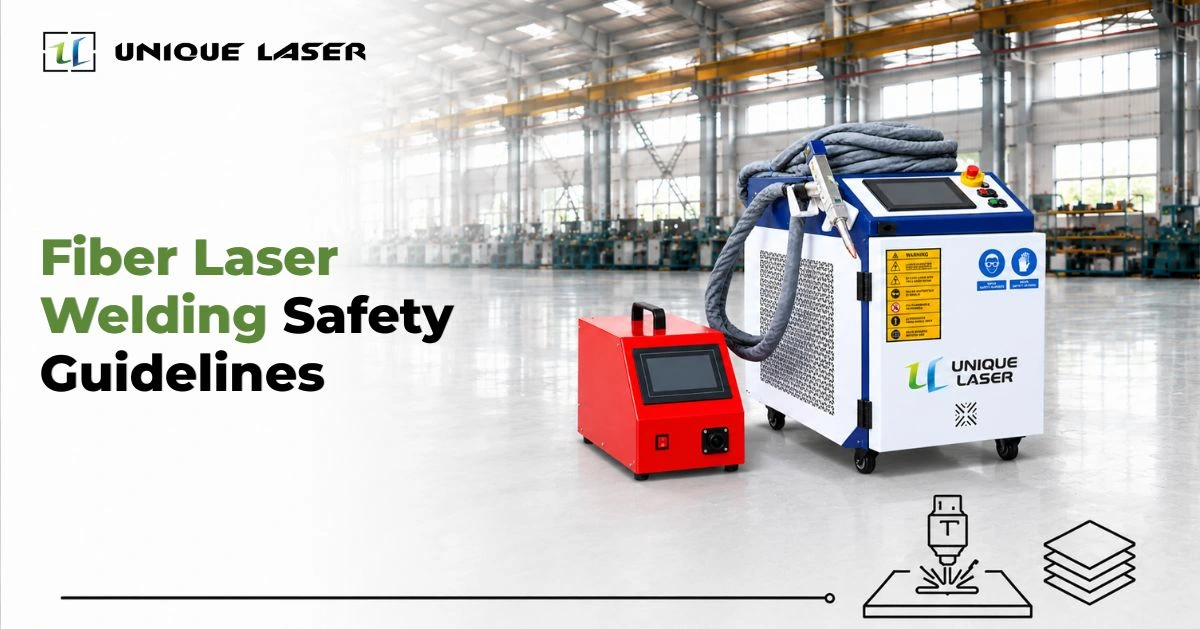
A Fiber Laser Welding Machine offers precise and efficient welding for a wide range of industrial applications. However, the high-energy laser beam, electrical components, fumes, and heat generated during operation make proper safety practices essential. Following appropriate operating procedures helps protect operators, maintain equipment reliability, and support safe production environments.
This guide explains important safety guidelines for operating a Fiber Laser Welding Machine, including protective equipment, workspace requirements, machine operation, and maintenance practices.
Why Fiber Laser Welding Safety Is Important?
Laser welding involves concentrated energy that can create potential risks if equipment is operated incorrectly. Direct or reflected laser exposure, hot workpieces, electrical systems, fumes, and moving components all require careful attention.
Proper safety procedures help:
- Protect operators and nearby personnel
- Reduce the risk of accidental laser exposure
- Maintain a controlled welding environment
- Prevent equipment damage
- Support reliable machine operation
- Reduce workplace hazards
Safety should be considered throughout machine setup, operation, maintenance, and shutdown.
Essential Personal Protective Equipment
Operators working with a Fiber Laser Welding Machine should use appropriate personal protective equipment according to the application and workplace safety requirements.
Important protective equipment may include:
- Suitable laser safety eyewear
- Protective gloves
- Flame-resistant clothing
- Safety footwear
- Face and skin protection where required
Laser safety eyewear should be appropriate for the wavelength and operating characteristics of the equipment. Protective equipment should be inspected regularly and replaced when damaged.
Maintain a Controlled Welding Area
The welding area should be organized to minimize unnecessary exposure and prevent unauthorized access during operation.
Important considerations include:
- Restricting access to the active welding area
- Using appropriate warning signs
- Maintaining adequate lighting
- Keeping reflective materials under control
- Removing unnecessary combustible materials
- Providing sufficient workspace around the machine
A clean and well-organized workspace helps operators work safely and respond more effectively to potential hazards.
Prevent Direct and Reflected Laser Exposure
A laser beam should never be directed toward people or unintended surfaces. Reflective materials and surfaces can create additional risks by redirecting laser energy.
Operators should:
- Never look directly into the laser beam
- Avoid unnecessary exposure to reflected radiation
- Keep reflective objects away from the operating area
- Follow recommended beam control procedures
- Ensure protective covers and safety systems are functioning
Proper positioning of the workpiece and welding head is also important for maintaining controlled operation.
Ensure Proper Ventilation and Fume Control
Laser welding can generate fumes and airborne particles depending on the material being processed. Proper ventilation helps maintain a safer working environment.
Consider:
- Local exhaust or fume extraction systems
- Adequate general ventilation
- Regular inspection of extraction equipment
- Proper cleaning of filters where applicable
The ventilation system should be suitable for the materials and production processes involved.
Follow Safe Machine Operating Procedures
Before starting a Fiber Laser Welding Machine, operators should inspect the equipment and verify that all essential systems are functioning correctly.
A pre-operation check may include:
- Inspecting cables and connections
- Checking the welding head
- Verifying cooling system operation
- Inspecting protective components
- Confirming emergency stop accessibility
- Checking machine parameters
- Ensuring the workpiece is positioned securely
Operators should follow the manufacturer’s operating instructions and avoid changing machine settings without understanding their effect on the welding process.
Electrical Safety Considerations
Laser welding equipment includes electrical systems that require careful handling. Damaged cables, improper connections, or unauthorized maintenance can create safety risks.
Good electrical safety practices include:
- Inspecting power cables regularly
- Keeping electrical components dry
- Avoiding damaged connections
- Following proper shutdown procedures
- Allowing qualified personnel to perform electrical maintenance
Power should be isolated according to appropriate procedures before maintenance or servicing.
Handle Hot Materials Carefully
Workpieces and surrounding components can remain hot after welding. Operators should avoid immediate contact with recently processed materials.
Recommended practices include:
- Allowing sufficient cooling time
- Using suitable handling tools
- Wearing appropriate protective gloves
- Marking or identifying hot work areas where necessary
Proper material handling reduces the risk of burns and accidental injury.
Looking for a Reliable Fiber Laser Welding Machine? Contact Us for precise, efficient, and reliable laser welding solutions for industrial applications.
Keep Emergency Systems Accessible
Emergency controls should remain visible and easily accessible during operation. Operators should understand how to respond to equipment malfunctions or unexpected situations.
Important safety provisions may include:
- Emergency stop controls
- Clearly marked shutdown procedures
- Fire safety equipment suitable for the workplace
- Accessible emergency exits
- Trained personnel familiar with emergency procedures
Regular safety checks help ensure these systems remain operational when needed.
Regular Maintenance Supports Safe Operation
Routine maintenance is essential for both machine performance and workplace safety. Components that are damaged or improperly maintained can affect the reliability of the welding process.
Maintenance should include:
- Inspection of optical components
- Checking cables and electrical connections
- Monitoring cooling system performance
- Inspecting the welding head
- Cleaning external machine surfaces
- Checking safety interlocks and protective systems
Maintenance schedules should follow the manufacturer’s recommendations and operational requirements.
Operator Training and Safety Awareness
Proper training is an important part of safe laser welding operations. Operators should understand machine controls, basic hazards, emergency procedures, and correct operating practices before using the equipment.
Training should cover:
- Machine startup and shutdown
- Correct parameter selection
- Laser exposure awareness
- PPE requirements
- Emergency response procedures
- Basic equipment inspection
- Safe material handling
Regular refresher training can help reinforce safe working practices as production requirements and equipment procedures evolve.
Follow Applicable Laser Safety Standards
Businesses operating laser equipment should establish safety procedures appropriate to their workplace, equipment classification, and local regulatory requirements. Applicable Laser Safety Standards and workplace guidelines should be reviewed when developing operating procedures.
A structured safety approach should combine:
- Appropriate machine safeguards
- Operator training
- Personal protective equipment
- Controlled work areas
- Routine inspections
- Preventive maintenance
Following relevant requirements helps organizations create safer and more consistent laser welding operations.
Frequently Asked Questions
Operators should use suitable laser safety eyewear, protective clothing, gloves, proper ventilation, and follow recommended machine operating procedures.
Laser safety eyewear helps protect the eyes from potential exposure to direct or reflected laser radiation during welding operations.
Yes, proper ventilation or fume extraction is important because welding certain materials can generate fumes and airborne particles.
Routine inspections should be performed according to machine usage and the manufacturer’s maintenance recommendations to identify potential safety or performance issues.
Operators should inspect cables, connections, cooling systems, welding heads, safety features, emergency controls, and workpiece positioning before operation.
Conclusion
Safe operation of a Fiber Laser Welding Machine requires attention to laser exposure, protective equipment, ventilation, electrical systems, workspace organization, and operator training. Establishing clear safety procedures and maintaining equipment regularly helps reduce operational risks and supports reliable welding performance.
By combining proper machine operation with suitable protective measures and preventive maintenance, manufacturers can create a safer working environment while maintaining efficient and consistent production.