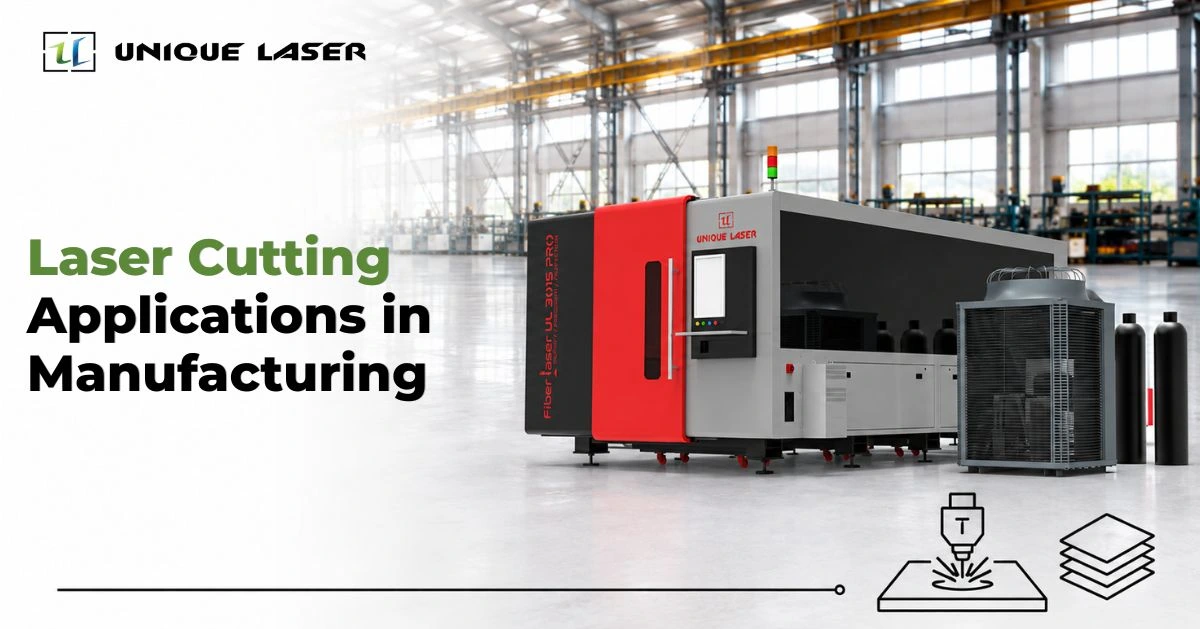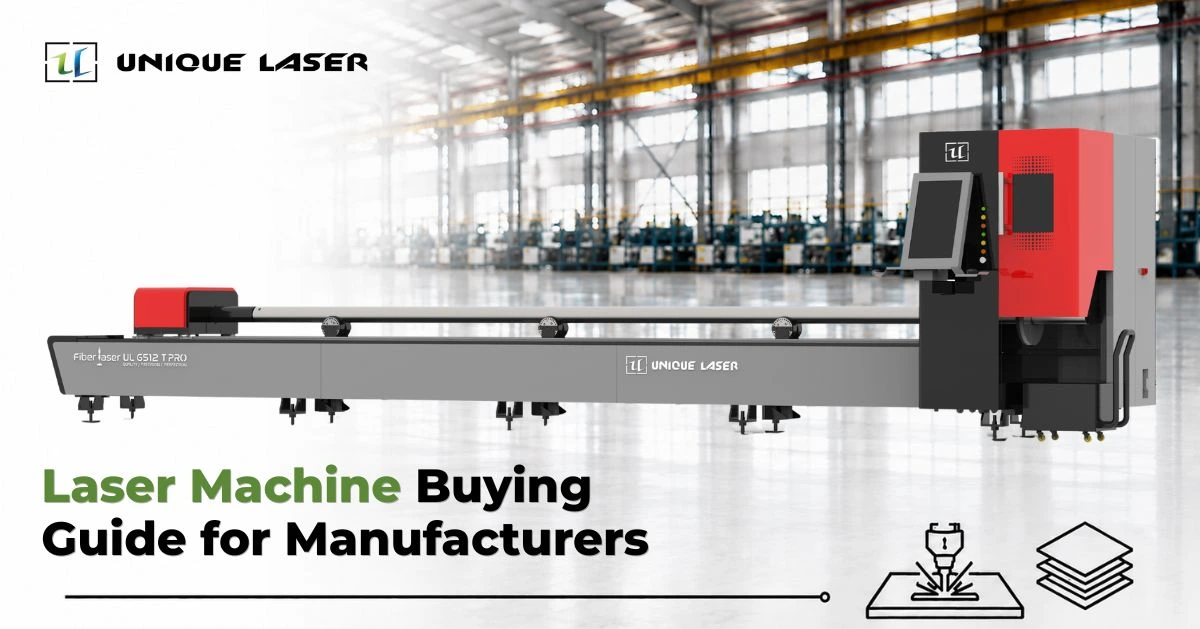
Choosing the right equipment is an important decision for manufacturers because machine performance directly affects productivity, cutting quality, operating costs, and production flexibility. A Laser Cutting Machine should be selected according to material requirements, production volume, cutting capacity, and the type of components being manufactured.
What Should Manufacturers Consider Before Buying?
Before investing in an industrial laser cutting machine, manufacturers should evaluate their current production requirements rather than selecting equipment based only on price. Material type, thickness, sheet dimensions, required accuracy, production volume, and future expansion plans all influence the right machine configuration.
Understanding these factors helps businesses choose equipment that can support their workflow while avoiding unnecessary capacity or limitations that may affect future production.
How to Choose the Right Laser Power?
Laser power is one of the most important factors when selecting a machine. Different material types and thicknesses require different power levels, so manufacturers should determine their typical cutting range before making a decision.
A suitable laser cutting machine power level can provide the required cutting performance without unnecessarily increasing equipment and operating requirements. The correct choice depends on material properties, thickness, assist gas, cutting parameters, and production expectations.
Which Materials Will the Machine Cut?
Manufacturers should identify the materials they process regularly. Fiber laser systems can be used for materials such as mild steel, carbon steel, stainless steel, aluminum, brass, copper, and galvanized sheets, depending on machine specifications.
For businesses focused on laser cutting for sheet metal, evaluating the complete range of materials and thicknesses is important because the machine should accommodate both current production needs and foreseeable requirements.
How Important Are Machine Size and Working Area?
The working area determines the size of sheets or components that can be processed efficiently. Manufacturers should compare their standard material dimensions with the available working area before purchasing.
A properly selected laser cutting machine size can reduce unnecessary material handling and help maintain an efficient workflow. The choice should also consider available factory space, loading arrangements, and future production requirements.
What Cutting Speed and Accuracy Are Required?
Speed and accuracy directly influence production output and component quality. High-speed processing can benefit manufacturers with larger production volumes, while accurate movement is important for components with tight dimensional requirements.
When evaluating laser cutting machine specifications, manufacturers should consider cutting speed, positioning accuracy, repeatability, laser power, cutting head configuration, control system, and automation capabilities together rather than focusing on a single specification.
Planning to invest in a reliable Laser Cutting Machine? Contact Us for suitable industrial cutting solutions.
Should Manufacturers Consider Automation?
Automation becomes increasingly valuable when production involves repetitive operations, high volumes, or integration with broader manufacturing workflows. Automated loading, unloading, software integration, and production monitoring can reduce manual intervention.
For manufacturers planning smart manufacturing, selecting a machine that can integrate with existing production systems may provide greater flexibility as operational requirements develop.
What About Maintenance and Technical Support?
Machine selection should include more than performance specifications. Manufacturers should also evaluate installation, training, maintenance requirements, spare parts availability, software support, and technical assistance.
Reliable laser cutting machine support can help reduce avoidable downtime and keep production running consistently throughout the equipment’s working life.
How Much Does a Laser Cutting Machine Cost?
The overall investment depends on laser power, working area, machine configuration, automation, accessories, software, and production requirements. Manufacturers should evaluate total ownership considerations rather than comparing purchase prices alone.
A suitable laser cutting machine price should be assessed alongside expected productivity, maintenance requirements, operating costs, machine capabilities, and after-sales support.
Frequently Asked Questions
Consider material type, thickness, production volume, working area, laser power, accuracy, speed, automation, maintenance, and technical support.
The required power depends on material type, thickness, cutting speed, and production requirements. There is no single power level suitable for every application.
Yes. Fiber laser systems are widely used for precision metal cutting across fabrication, automotive, engineering, electrical, and other manufacturing applications.
Yes. Working area should match your typical sheet dimensions, production requirements, factory space, and material-handling process.
Yes. Installation, training, maintenance, spare parts, software assistance, and technical support can influence long-term machine availability and production continuity.
Conclusion
Buying the right Laser Cutting Machine requires manufacturers to evaluate more than price or laser power. Material requirements, working area, cutting performance, automation, maintenance, support, and future production needs should all be considered. A well-matched machine can provide consistent cutting quality while supporting efficient and flexible manufacturing operations.