Wood processing today is no longer limited to basic cutting tools and manual craftsmanship. Industries now demand precision, speed, and the ability to create complex designs consistently. Whether it’s furniture manufacturing or decorative panel work, modern solutions are required.
This is where Wood Laser Cutting Machines play a critical role. They allow high-precision cutting, smooth finishes, and repeatable production without direct contact with the material. From simple shapes to intricate patterns, they have transformed how wood is processed in modern workshops and industries.
What is Laser Cutting for Wood?
Laser cutting for wood is a process where a focused laser beam is used to cut or engrave wood materials with extreme accuracy. The laser generates heat that burns or vaporizes the material along a defined path, creating clean and precise cuts. Wood Laser Cutting Machines make this process efficient and highly controlled.
In real-world applications, this method is widely used for decorative designs, furniture components, and custom products. Since there is no physical contact with the surface, the finish remains smooth and consistent. Laser Cutting Machines also allow repeated production without variation, which is essential for manufacturing.
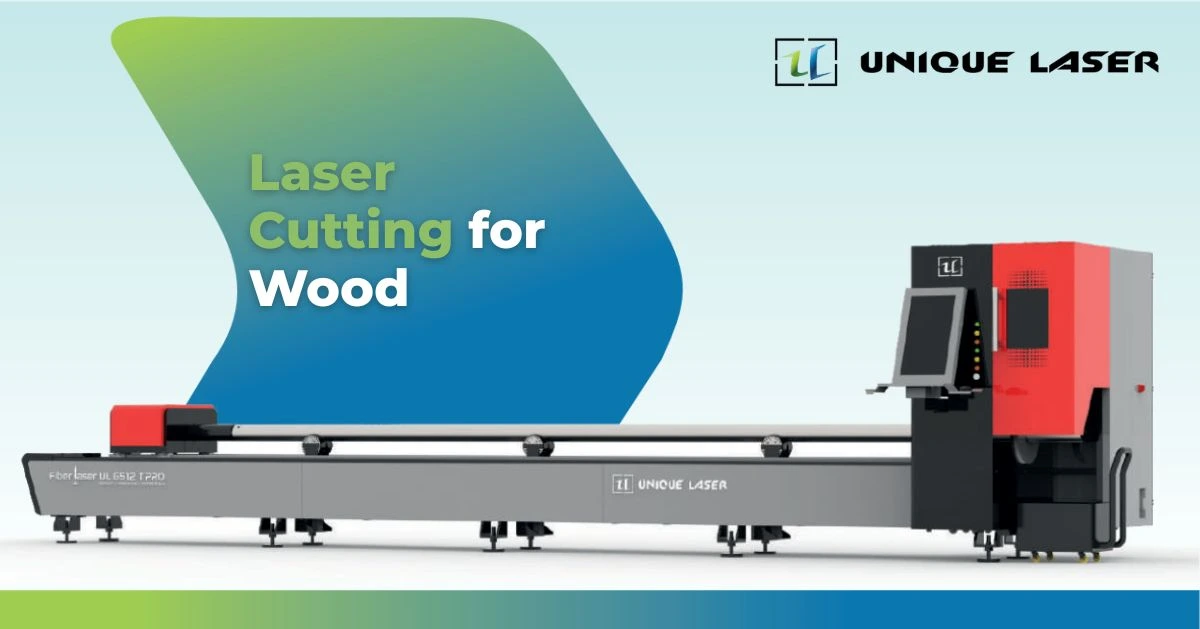
Components of a Laser Cutting Machine
- Laser Source: Generates the cutting beam
- Laser Head: Focuses beam onto material
- CNC Controller: Guides movement and design path
- Work Bed/Table: Supports material
- Cooling System: Maintains machine stability
- Exhaust System: Removes smoke and fumes
Why Laser Cutting Is Ideal for Wood?
Laser cutting is highly suitable for wood because it combines precision with flexibility. It allows both cutting and engraving in a single setup, which makes it efficient for production and customization. Wood Laser Cutting Machines are especially useful when dealing with detailed designs that require consistency.
Another major reason is control. Operators can adjust parameters like power and speed based on material type and thickness. This ensures better results and reduces errors. In practical use, Laser Cutting Machines simplify complex work and improve overall productivity.
Precision and Intricate Design Capability
Laser technology allows extremely fine cuts and detailed patterns that are difficult to achieve manually. This makes it ideal for decorative and customized applications.
Clean Edges and Minimal Finishing
Cuts produced are smooth and require little to no additional finishing, saving both time and effort in production.
High Repeatability in Production
Once a design is set, it can be repeated multiple times with identical results, which is important for manufacturing consistency.
Flexibility for Multiple Applications
The same machine can be used for cutting, engraving, and marking, making it versatile for different projects.
Reduced Material Wastage
Optimized cutting paths ensure better utilization of material, reducing scrap and improving cost efficiency.
Faster Processing Compared to Traditional Methods
Laser cutting significantly reduces production time, especially for complex designs and batch work.
How Laser Cutting Machines Work on Wood?
The process involves directing a high-energy laser beam onto the wood surface. The heat generated by the laser burns or vaporizes the material, creating a precise cut. Wood Laser Cutting Machines follow digital instructions to ensure accuracy.
In real applications, operators adjust settings such as speed, power, and focus depending on the wood type and thickness. Proper calibration ensures that Laser Cutting Machines produce clean edges without excessive burning.
Key Working Factors
- Laser Power: Controls cutting strength
- Cutting Speed: Affects finish quality
- Focus Position: Ensures precision
- Material Thickness: Impacts performance
Laser Cutting Machine Process
The process begins with design preparation and ends with final inspection. Each step must be controlled to achieve consistent results. Wood Laser Cutting Machines rely on digital programming for accuracy.
In practical manufacturing, testing is done before final cutting to ensure correct settings. This ensures that Laser Cutting Machines deliver high-quality output.
Step-by-Step Process
Step 1: Design Creation
Prepare design using CAD software
Step 2: File Conversion
Convert into machine-readable format
Step 3: Material Setup
Place wood on machine bed
Step 4: Parameter Setting
Adjust speed, power, and focus
Step 5: Test Run
Perform trial cut for accuracy
Step 6: Final Cutting
Execute full cutting process
Step 7: Inspection
Check quality and finish
Looking for high-precision laser cutting solutions for Woods? Contact Us today to explore advanced laser machines designed for efficient industrial manufacturing.
Advantages of Laser Cutting Machines for Wood
Laser cutting offers multiple benefits that improve efficiency and output quality. It allows businesses to achieve precision while reducing manual effort. Wood Laser Cutting Machines are widely used because of their reliability and performance.
In real-world scenarios, these advantages translate into better productivity and cost savings. Companies rely on Laser Cutting Machines to meet modern manufacturing demands.
Major Advantages
- Precision Cutting: Enables highly accurate designs, reducing errors and improving product quality
- Efficient Production: Speeds up manufacturing processes, allowing higher output in less time
- Consistent Results: Ensures identical output across multiple pieces, important for bulk production
- Low Material Waste: Optimizes usage of wood, reducing overall production cost
- Non-Contact Operation: Minimizes tool wear and extends machine life
Limitations You Should Know
Despite its advantages, laser cutting has certain limitations that should be considered. Understanding these helps in proper planning and usage. Wood Laser Cutting Machines require correct settings to avoid issues.
In real use, these limitations can be managed with proper operation and setup. Choosing the right parameters ensures better performance of Laser Cutting Machines.
Important Limitations
- Thickness Restriction: Very thick wood may need higher power or multiple passes
- Edge Charring Risk: Incorrect settings can cause slight burning on edges
- Smoke Generation: Requires proper exhaust system for safe operation
- Initial Cost: Higher upfront investment compared to traditional tools
Applications of Laser Cutting in Wood Industry
Laser cutting is widely used across industries due to its versatility. It allows manufacturers to create complex and customized designs easily. Wood Laser Cutting Machines are used in multiple sectors.
In real-world applications, this technology supports both small-scale and large-scale production. Laser Cutting Machines help improve design flexibility and production efficiency.
Key Applications
- Furniture Components: Panels, cabinets, and decorative parts
- Interior Design Elements: Wall panels, partitions, and patterns
- Signage Production: Logos and branding materials
- Custom Craft Work: Detailed artistic and decorative items
How to Choose the Right Machine?
Selecting the right system requires understanding your production needs and material requirements. Wood Laser Cutting Machines should match your application for best results.
In practical scenarios, choosing the wrong machine can affect efficiency and output quality. Proper evaluation ensures that Laser Cutting Machines deliver optimal performance.
Selection Factors
- Material Compatibility: Choose based on wood type and thickness
- Laser Power: Higher power for thicker materials
- Machine Size: Depends on working area requirements
- Production Volume: Match machine capacity with workload
- Budget Consideration: Balance cost with long-term benefits
Future of Laser Cutting for Wood
The future of wood cutting technology is moving toward smarter and more automated systems. Improved software integration and better laser efficiency are driving advancements. Laser Cutting Machines are becoming more intelligent and user-friendly.
In real-world trends, there is a growing demand for customization and precision. This ensures continuous growth of Wood Laser Cutting Machines in the wood industry.
Future Trends
- Automation Integration: Increased use of automated workflows for higher efficiency
- Smart Software Systems: Better control and design integration for precise output
- Energy Efficiency Improvements: Machines becoming more power-efficient and cost-effective
- Customization Demand Growth: Increasing need for unique and complex designs
- Advanced Material Handling: Improved systems for handling different wood types
Frequently Asked Questions
Slight edge darkening may occur, but proper speed and power settings can minimize burning and maintain a clean finish.
Yes, it offers higher precision, faster production, and better consistency compared to manual or mechanical cutting tools.
Yes, they can easily engrave detailed patterns, text, and designs on wood surfaces with high accuracy and fine detailing.
Furniture manufacturing, interior design, signage, handicrafts, and custom product industries widely use laser cutting technology for wood applications.
Yes, compact and entry-level machines are ideal for small workshops, startups, and custom product businesses.
Conclusion
Laser cutting has transformed wood processing by offering precision, speed, and flexibility that traditional methods cannot match. Wood Laser Cutting Machines enable businesses to produce high-quality designs with consistency and efficiency. From simple cuts to complex patterns, they have become an essential tool in modern manufacturing.
While there are some limitations, the overall benefits far outweigh them when the system is used correctly. With increasing demand for customization and precision, Wood Laser Cutting Machines will continue to play a key role in shaping the future of the wood industry.