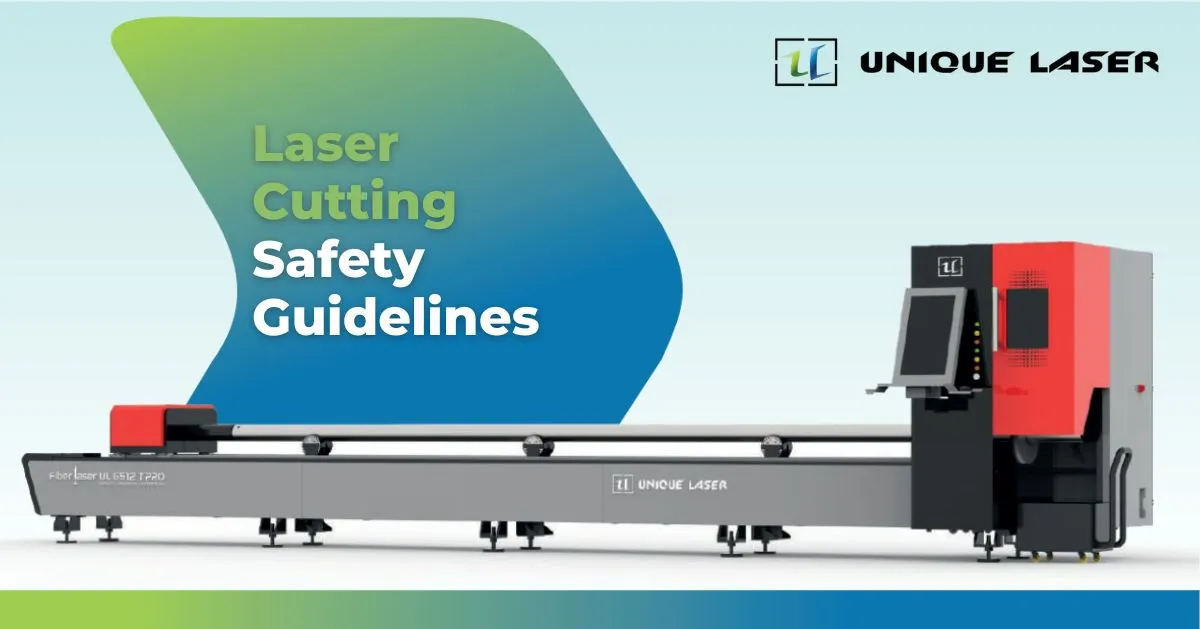
Modern manufacturing industries widely use Laser Cutting technology for precision metal processing. From stainless steel fabrication to automotive component production, laser machines help manufacturers achieve accurate and efficient results. However, because laser systems operate with high-energy beams and intense heat, proper safety measures are essential to protect operators, equipment, and production environments.
Following correct Laser Cutting safety guidelines helps prevent accidents, maintain machine performance, and ensure a safe working environment in industrial facilities.
According to industrial manufacturing research, proper safety procedures are necessary when operating laser systems because high-powered lasers can pose hazards such as burns, eye damage, and fire risks if not handled correctly.
Why Safety Is Important in Laser Cutting?
Laser machines use highly concentrated beams of light to cut materials such as stainless steel, carbon steel, aluminum, and other metals. During this process, intense heat, sparks, fumes, and radiation can be generated.
Without proper safety practices, operators may face risks such as:
- Eye injuries from laser exposure
- Skin burns from hot metal or laser beams
- Fire hazards from sparks or combustible materials
- Exposure to harmful fumes and gases
Implementing strict safety guidelines ensures that Laser Cutting operations remain efficient, safe, and compliant with industrial standards.
Essential Laser Cutting Safety Guidelines
1. Use Proper Personal Protective Equipment (PPE)
Operators must always wear appropriate protective equipment when working near laser machines.
Recommended PPE includes:
- Laser safety goggles
- Heat-resistant gloves
- Protective clothing
- Safety shoes
- Face shields when necessary
Laser safety glasses are especially important because direct exposure to laser beams can cause serious eye damage.
2. Ensure Proper Machine Enclosures
Modern Laser Cutting machines are typically equipped with safety enclosures that prevent accidental exposure to laser radiation.
Safety enclosures help to:
- Contain laser beams within the machine
- Protect operators from sparks and debris
- Reduce exposure to harmful radiation
Operators should never bypass or disable machine safety systems.
3. Maintain Proper Ventilation and Fume Extraction
During Laser Cutting, metal materials may produce fumes, smoke, and microscopic particles that can be harmful if inhaled.
Industrial laser cutting facilities should use:
- Fume extraction systems
- Industrial ventilation systems
- Air filtration units
These systems help maintain a healthy working environment and comply with workplace safety regulations.
4. Prevent Fire Hazards
Laser cutting generates sparks and high temperatures that can ignite flammable materials.
To reduce fire risks:
- Keep flammable materials away from cutting areas
- Install fire extinguishers near laser machines
- Regularly clean dust and debris from machines
- Monitor the cutting process carefully
Fire safety is a critical part of Laser Cutting safety practices.
5. Provide Operator Training
Only trained and authorized personnel should operate laser cutting machines.
Proper training should include:
- Machine operation procedures
- Emergency shutdown methods
- Safety hazard awareness
- Maintenance and inspection protocols
Well-trained operators significantly reduce the chances of accidents during Laser Cutting operations.
Need reliable laser cutting machines for your manufacturing operations? Contact Us today and discover the right solution for your business.
6. Regular Machine Inspection and Maintenance
Routine inspection and maintenance help ensure that laser cutting machines operate safely and efficiently.
Maintenance checks should include:
- Laser optics inspection
- Cooling system performance
- Electrical system checks
- Alignment and calibration
Regular maintenance prevents equipment failures and safety risks.
7. Implement Emergency Stop Systems
Laser cutting machines should always have accessible emergency stop buttons that immediately shut down the system in case of a malfunction or emergency.
Operators must know how to use these emergency controls before starting any Laser Cutting process.
Common Hazards in Laser Cutting
Understanding potential hazards helps operators maintain safer working environments.
| Hazard | Description |
| Laser Radiation | Exposure to laser beams can cause eye and skin damage |
| Fire Risk | Sparks and heat may ignite nearby materials |
| Fumes and Smoke | Metal cutting can release harmful particles |
| Electrical Hazards | High-power equipment requires safe electrical handling |
| Hot Surfaces | Cut materials may remain extremely hot |
Recognizing these hazards helps improve overall safety in laser cutting facilities.
Best Workplace Practices for Laser Cutting Safety
To maintain safe industrial operations, manufacturing facilities should adopt these practices:
- Follow standard operating procedures
- Maintain clean and organized workspaces
- Use certified laser machines with safety features
- Conduct regular safety audits
- Provide continuous employee safety training
These practices help ensure safe and efficient Laser Cutting operations in industrial environments.
Frequently Asked Questions
Safety is important because laser machines operate with high-powered beams and heat, which can cause burns, eye injuries, or fire hazards if proper precautions are not followed.
Operators should use safety goggles, gloves, protective clothing, and safety shoes when working with laser cutting machines.
Yes, cutting metals may produce fumes and microscopic particles, which is why proper ventilation and fume extraction systems are required.
Yes, only trained operators should handle laser cutting machines to ensure safe and efficient operation.
Conclusion
Laser cutting technology has revolutionized modern manufacturing by enabling precise and efficient metal processing. However, due to the high energy and heat involved, following proper Laser Cutting safety guidelines is essential for protecting operators and maintaining a safe production environment.
By implementing proper protective equipment, ventilation systems, machine maintenance, and operator training, industries can safely benefit from the advanced capabilities of laser cutting technology.