Investing in a laser welding machine is an important decision for manufacturers looking to improve welding quality, production efficiency, and long-term operational performance. With different machine configurations available, selecting the right solution requires careful evaluation of production requirements, material compatibility, automation needs, and future business growth. Understanding the key factors before purchasing helps manufacturers choose equipment that delivers reliable performance and a strong return on investment.
Why Choose a Fiber Laser Welding Machine?
A fiber laser welding machine offers significant advantages over conventional welding methods by delivering precise welds, faster processing speeds, and minimal heat distortion. The concentrated laser beam creates strong weld joints with clean seams, reducing post-processing and improving overall production efficiency.
Manufacturers across automotive, engineering, sheet metal fabrication, electrical equipment, and stainless steel fabrication industries increasingly adopt fiber laser technology because it supports consistent weld quality and long-term reliability.
Understand the Types of Laser Welding Machines
Choosing the right laser welding machine starts with understanding the available machine types and their intended applications.
| Machine Type | Best Suited For | Key Benefits |
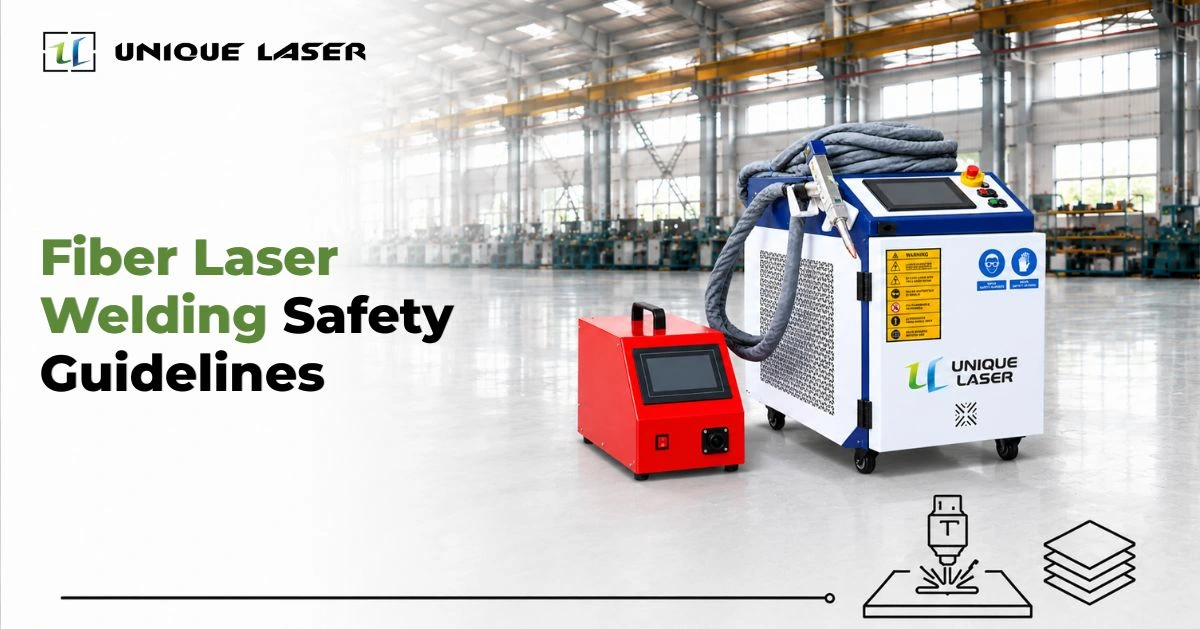
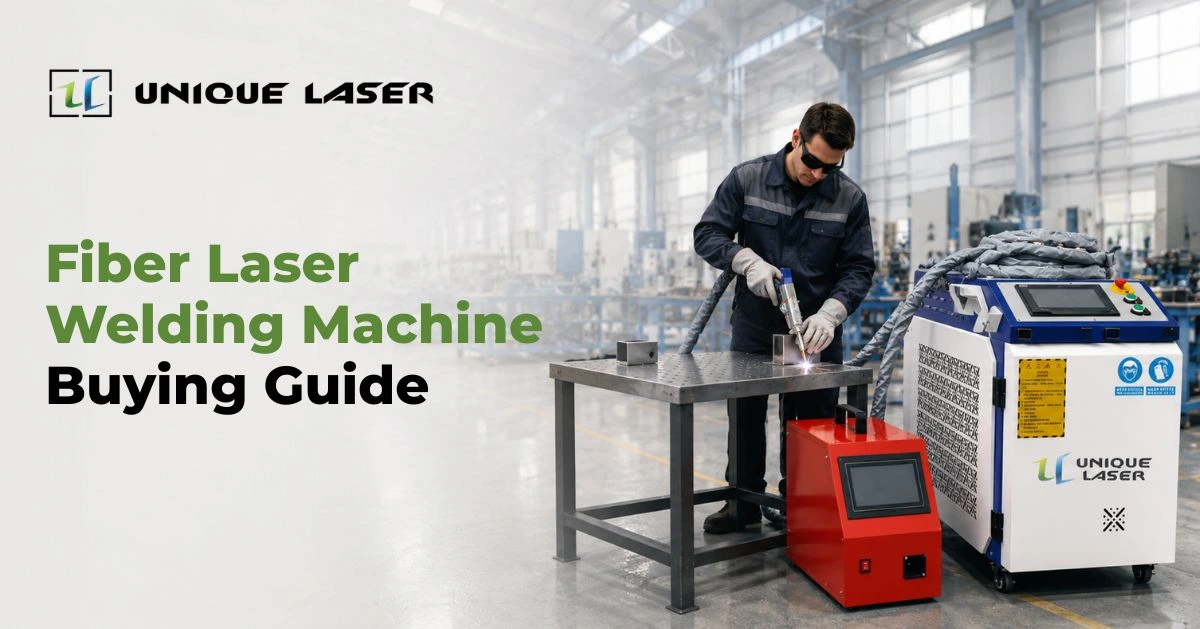
| Fiber Laser Hand-Held Welding Machine | Custom fabrication, repair work, stainless steel fabrication, irregular components | Portable operation, flexible welding, deep penetration, minimal distortion |
| 4 AXIS Fiber Laser Welding Machine | Automated production, precision manufacturing, repetitive welding | High repeatability, programmable welding paths, fast production, consistent weld quality |
Selecting the appropriate machine depends on production volume, component complexity, and operational requirements.
Evaluate Your Production Requirements
Before purchasing a laser welding machine, manufacturers should assess their production goals rather than focusing only on machine specifications.
Consider factors such as:
- Daily production volume
- Type of metal components
- Material thickness
- Welding accuracy requirements
- Future production expansion
- Automation requirements
Matching the machine to actual manufacturing needs helps maximize productivity and investment value.
Consider Material Compatibility
Different industries process different materials, making compatibility an essential consideration.
A quality laser welding machine should efficiently weld materials such as:
- Stainless steel
- Carbon steel
- Mild steel
- Brass
- Copper
- Galvanized materials
Selecting a machine compatible with your production materials ensures consistent weld quality across various applications.
Evaluate Automation Requirements
Production environments continue to move toward automation and smart manufacturing.
For manufacturers with high-volume production, a laser welding machine that supports programmable welding paths and automated movement can improve consistency while reducing manual intervention. Businesses handling custom fabrication or repair work may benefit more from a handheld system that provides greater flexibility.
Choosing the right level of automation depends on current production demands and future expansion plans.
Look Beyond the Purchase Price
Machine cost is only one part of the overall investment.
When evaluating a laser welding machine, manufacturers should also consider:
- Maintenance requirements
- Energy efficiency
- Technical support
- Operator training
- Spare parts availability
- Service response
- Expected machine lifespan
A reliable machine supported by experienced service engineers often delivers greater long-term value than simply choosing the lowest purchase price.
Specifications to Consider When Buying a Fiber Laser Welding Machine
Before selecting a laser welding machine, manufacturers should compare the technical specifications that directly affect welding quality, production efficiency, and application suitability.
| Specification | Fiber Laser Hand-Held Welding Machine | 4 AXIS Fiber Laser Welding Machine |
| Laser Power | 1500W / 2000W / 3000W / 6000W | 1500W / 2000W / 3000W |
| Laser Wavelength | 1080 ±10 nm | 1080 ±10 nm |
| Output Fiber Length | 10 m | 10 m |
| Spot Adjustment Range | 0.1–5 mm | 0.1–5 mm |
| Laser Frequency | 1–10000 Hz | 1–10000 Hz |
| Cooling System | HC1500 / HC2000 / HC3000 / HC6000 | HC1500 / HC2000 / HC3000 |
| Positioning / Observation | Red Light | CCD or Red Light |
| Power Supply | 220V / 50Hz (1500W & 2000W), 400V / 50Hz (3000W & 6000W) | 220V / 50Hz (1500W & 2000W), 380V / 50Hz (3000W) |
| Motion System | Hand-held Operation | XYZ Electric Translation Stage |
| Position Accuracy | Operator Controlled | 0.05 mm |
| Repeat Accuracy | Operator Controlled | 0.05 mm |
| Maximum Movement Speed | Manual Operation | 200 mm/s |
Comparing these specifications helps manufacturers choose a laser welding machine that matches their production volume, material requirements, welding accuracy, and automation needs. While handheld models are ideal for flexible fabrication and repair work, 4 AXIS systems are better suited for high-volume production that demands repeatable accuracy and programmable welding paths.
Compare Laser Power Options
Selecting the right laser power is an important step when choosing a laser welding machine, as it directly affects welding speed, penetration depth, and material compatibility. The ideal power depends on the type of metal, material thickness, and daily production requirements rather than simply choosing the highest available wattage.
Manufacturers can generally consider the following power options:
- 1500W: Suitable for thin to medium-thickness materials and general fabrication.
- 2000W: Delivers faster welding speeds and improved penetration for demanding industrial applications.
- 3000W: Ideal for higher production volumes and thicker metal sections.
- 6000W: Best suited for heavy-duty industrial applications that require maximum welding performance.
Choosing the appropriate power helps improve productivity while ensuring consistent weld quality and energy efficiency.
Looking for a reliable laser welding machine for your manufacturing requirements? Contact us today to explore advanced handheld and expert support and industrial application expertise.
Choose a Trusted Manufacturer
Selecting an experienced supplier is just as important as selecting the machine itself.
A reputable laser welding machine manufacturer should provide:
- Application consultation
- Sample testing
- Installation support
- Operator training
- Preventive maintenance
- Technical assistance
- Genuine spare parts
Reliable after-sales support helps minimize downtime and ensures smooth operation throughout the machine’s lifecycle.
Common Mistakes to Avoid When Buying a Fiber Laser Welding Machine
Many manufacturers evaluate a laser welding machine based only on price, which can result in selecting equipment that doesn’t match their production needs. A well-informed purchasing decision should consider long-term performance, application requirements, and technical support.
Some common mistakes to avoid include:
- Selecting a machine based only on its purchase price.
- Choosing the wrong laser power for the application.
- Ignoring future production expansion plans.
- Overlooking after-sales service and technical support.
- Not evaluating machine specifications and automation features.
- Skipping application sample testing before purchase.
Avoiding these common mistakes helps manufacturers invest in a laser welding machine that delivers reliable performance, improved productivity, and long-term operational value.
Frequently Asked Questions
The right machine depends on your production volume, material type, component size, automation requirements, and long-term manufacturing goals.
A handheld laser welding machine is ideal for flexible fabrication and complex workpieces, while a 4 AXIS laser welding machine is designed for automated, high-volume, and highly repeatable production.
Laser welding machines are widely used in automotive, engineering, sheet metal fabrication, electrical manufacturing, stainless steel fabrication, furniture manufacturing, and industrial equipment production.
Yes. Depending on the application, laser welding machines can weld stainless steel, carbon steel, mild steel, brass, copper, and galvanized materials.
Professional installation, operator training, maintenance services, and technical support help maximize machine performance, reduce downtime, and extend equipment life.
Conclusion
Choosing the right laser welding machine involves more than comparing specifications or prices. Manufacturers should evaluate production requirements, material compatibility, automation needs, and the level of technical support available after installation. By selecting a solution that matches operational goals, businesses can improve weld quality, increase productivity, and achieve dependable manufacturing performance for years to come.