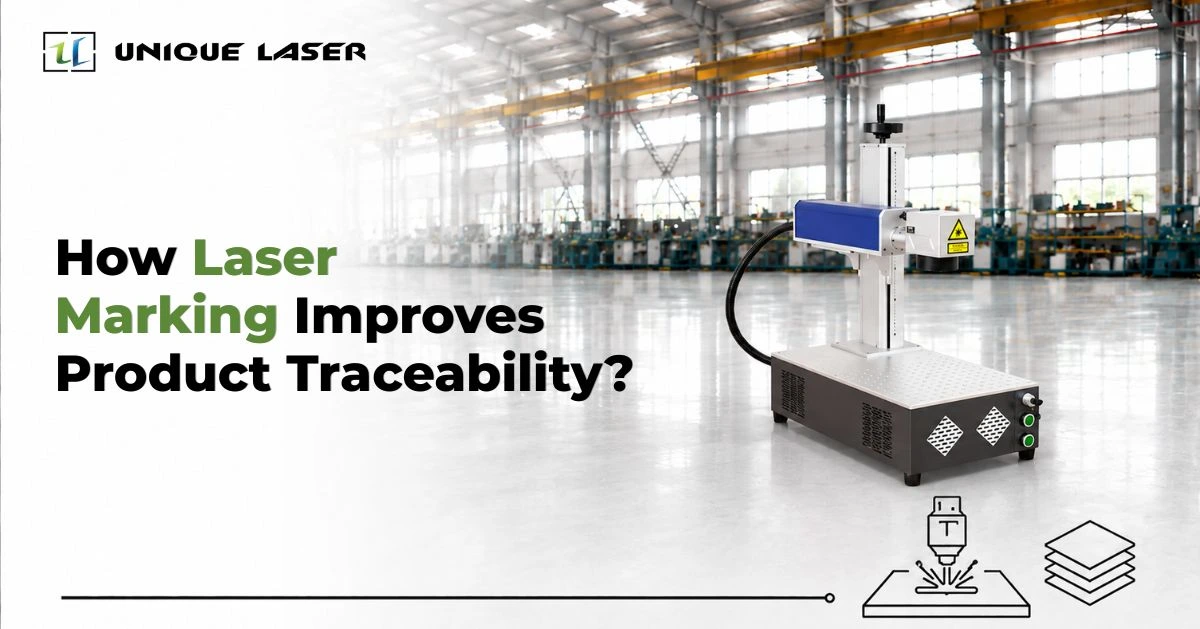
A laser marking machine is an advanced industrial system used to create permanent, high-contrast marks on a wide range of materials. Modern manufacturers rely on laser marking technology to improve product traceability, ensure regulatory compliance, enhance brand visibility, and support quality control processes. Unlike traditional marking methods that use inks, labels, or mechanical contact, a laser marking machine produces precise and durable markings without damaging the material’s core structure.
Industries such as automotive, electronics, engineering, medical devices, electrical manufacturing, and jewelry use laser marking systems to mark serial numbers, QR codes, barcodes, logos, batch numbers, and product identification details with exceptional accuracy and consistency.
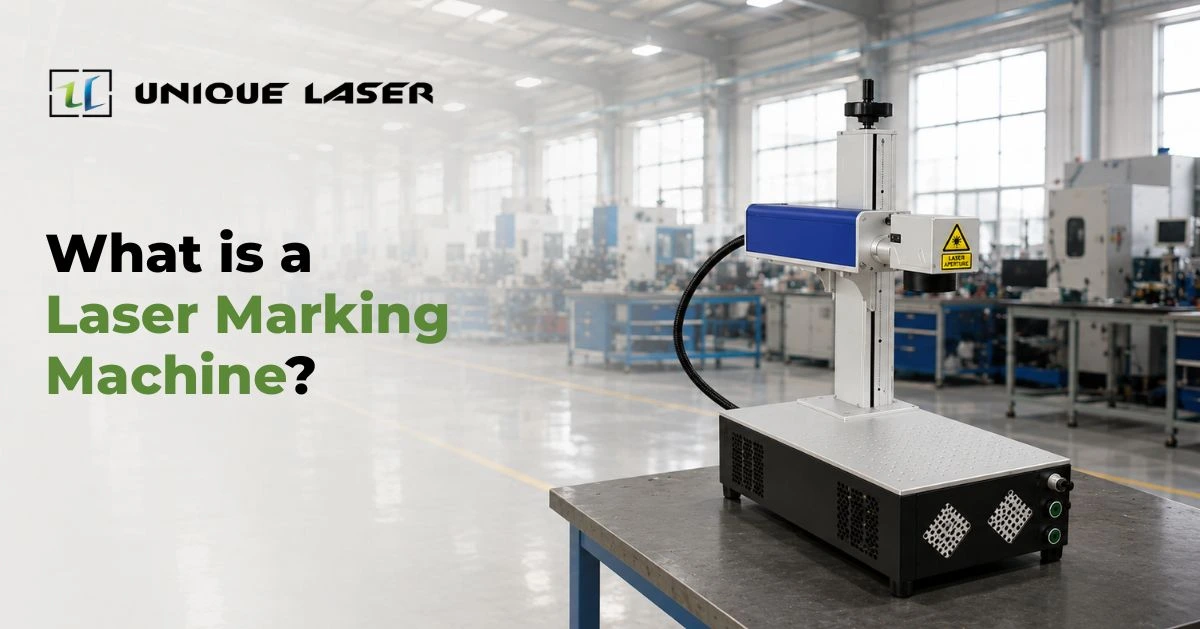
What is a Laser Marking Machine?
A laser marking machine is a non-contact marking system that uses a focused laser beam to alter the surface properties of a material and create permanent marks. Rather than cutting deeply into the material, the laser modifies the surface through controlled heat reactions, oxidation, or color changes to generate clear and durable identification marks.
A laser marking machine is commonly used for:
- Serial numbers
- QR codes
- Barcodes
- Product identification
- Logos
- Date codes
- Batch numbers
- Traceability information
Because the markings are permanent and resistant to wear, chemicals, and environmental exposure, laser marking technology has become an essential part of modern manufacturing operations.
How Does a Laser Marking Machine Work?
A laser marking machine operates through a series of precise steps designed to create accurate and repeatable markings.
- Energy Creation: The fiber laser source converts electrical energy into a concentrated laser beam capable of producing high-precision marks.
- Beam Amplification: The laser beam is amplified and stabilized within the fiber system to maintain consistent marking performance.
- Focusing Mechanism: A precision lens focuses the laser beam into a very small spot, allowing the machine to create sharp and detailed markings.
- Surface Modification: When the laser contacts the material surface, it changes the material through controlled oxidation, heat reactions, or discoloration.
- Digital Pattern Execution: Marking software converts digital designs, QR codes, barcodes, serial numbers, and logos into commands that guide the laser beam.
- Permanent Identification Output: The final mark is permanent, high-contrast, and resistant to abrasion, chemicals, and environmental conditions.
Looking for a high-performance laser marking machine? Contact us to explore advanced laser marking solutions designed for modern industrial manufacturing.
Types of Materials Marked by a Laser Marking Machine
A laser marking machine can mark a wide variety of materials across different industries.
Common materials include:
- Stainless steel
- Carbon steel
- Mild steel
- Brass
- Copper
- Aluminum
- Plastic components
- Electronic parts
- Medical instruments
The versatility of laser marking technology makes it suitable for both metal and non-metal applications.
Applications of Laser Marking Machine
A laser marking machine plays a critical role in industries that require permanent identification and traceability.
| Industry | Common Marking Applications |
| Automotive | Chassis numbers, engine parts, traceability codes |
| Electronics | PCB marking, connectors, component identification |
| Engineering | Serial numbers, machine parts, tools |
| Medical Devices | UDI codes, surgical instruments, compliance markings |
| Electrical Manufacturing | Nameplates, labels, panel identification |
| Jewelry | Logos, branding, decorative marking |
These applications help manufacturers improve quality control, product tracking, and compliance with industry regulations.
Benefits of Using a Laser Marking Machine
Manufacturers choose a laser marking machine because it offers several advantages over conventional marking methods.
Key benefits include:
- Permanent and durable markings
- High marking accuracy
- Non-contact marking process
- High-speed operation
- Minimal maintenance requirements
- No inks or consumables
- Consistent marking quality
- Easy integration with automated production lines
- Improved product traceability
- Enhanced anti-counterfeiting protection
These benefits help businesses improve efficiency while maintaining reliable identification standards.
Why Manufacturers Prefer Fiber Laser Marking Technology?
A laser marking machine powered by fiber laser technology delivers superior performance for industrial marking applications.
Fiber laser systems offer:
- Faster marking speeds
- Excellent beam quality
- Long operating life
- Low maintenance costs
- High energy efficiency
- Reliable marking performance
These advantages make fiber laser marking one of the most widely adopted technologies for modern manufacturing environments.
Frequently Asked Questions
A laser marking machine is used to create permanent marks such as serial numbers, QR codes, barcodes, logos, batch numbers, and product identification information.
A laser marking machine works by generating a focused laser beam that modifies the material surface to create permanent and high-contrast markings.
Yes. A laser marking machine can mark stainless steel, carbon steel, mild steel, brass, copper, aluminum, and various industrial metal components.
Yes. Marks created by a laser marking machine are highly durable and resistant to abrasion, chemicals, and environmental exposure.
Industries such as automotive, electronics, medical devices, engineering, electrical manufacturing, and jewelry commonly use laser marking machines.
Conclusion
A laser marking machine is an essential tool for manufacturers seeking permanent product identification, improved traceability, and reliable marking quality. By using advanced laser technology to create precise and durable marks, businesses can enhance compliance, strengthen brand protection, and improve operational efficiency. Whether used for serial numbers, QR codes, logos, or product tracking, a laser marking machine delivers the accuracy, consistency, and reliability required in modern industrial manufacturing.