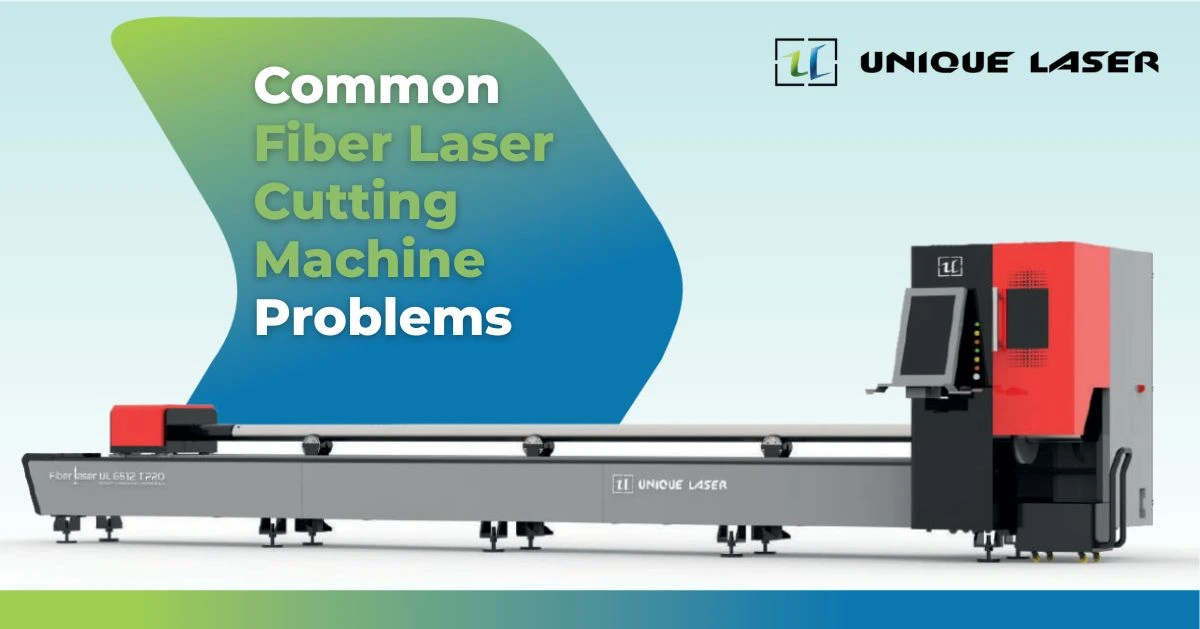
A Fiber Laser Cutting Machine is widely used in modern manufacturing for its ability to deliver high-speed, high-precision metal cutting with excellent repeatability. Industries such as sheet metal fabrication, automotive manufacturing, engineering, and electrical panel production rely on fiber laser technology to improve productivity and maintain consistent quality standards.
However, like any advanced industrial equipment, a fiber laser cutting machine can experience operational challenges that affect cut quality, production efficiency, and machine performance. Understanding common issues and their solutions helps manufacturers reduce downtime, improve productivity, and maintain optimal cutting results.
Why Do Fiber Laser Cutting Machine Problems Occur?
Most Fiber Laser Cutting Machine problems are caused by factors such as improper machine settings, worn consumables, poor maintenance practices, incorrect material handling, or environmental conditions.
Common causes include:
- Incorrect cutting parameters
- Damaged or contaminated nozzles
- Misaligned cutting heads
- Poor gas quality
- Dirty protective lenses
- Material inconsistencies
- Servo system issues
- Inadequate preventive maintenance
Identifying the root cause quickly is essential for maintaining production efficiency and minimizing costly interruptions.
Poor Cut Quality and Rough Edges
One of the most common Fiber Laser Cutting Machine Issues is poor cut quality. Manufacturers may notice rough edges, excessive burrs, or uneven cutting surfaces.
Potential causes include:
- Incorrect laser power settings
- Improper cutting speed
- Worn nozzles
- Dirty optics
- Incorrect assist gas pressure
Solution
- Optimize cutting parameters based on material thickness.
- Inspect and replace damaged nozzles.
- Clean protective lenses regularly.
- Verify assist gas quality and pressure settings.
- Perform routine machine calibration.
Maintaining proper settings helps ensure consistent edge quality and improved production results.
Excessive Burr Formation
Burrs are unwanted metal projections that remain on the cut edge after processing. This is a common Fiber Laser Cutting Machine that can increase secondary finishing costs.
Common causes include:
- Low assist gas pressure
- Incorrect focus position
- Excessive cutting speed
- Poor nozzle condition
Solution
- Adjust focus settings according to material thickness.
- Use the recommended assist gas pressure.
- Inspect nozzle alignment.
- Fine-tune cutting speed for optimal performance.
Proper machine setup significantly reduces burr formation and improves overall cut quality.
Incomplete Cutting or Uncut Sections
A Fiber Laser Cutting Machine may sometimes fail to cut completely through the material, resulting in unfinished components.
Common causes include:
- Insufficient laser power
- Incorrect focal position
- Contaminated lenses
- Material thickness exceeding machine capacity
- Improper cutting speed settings
The table below highlights the most common incomplete cutting issues, their likely causes, and recommended corrective actions.
| Problem | Possible Cause | Recommended Solution |
| Incomplete Cutting | Low laser power | Increase power settings |
| Uncut Areas | Incorrect focus | Adjust focus position |
| Interrupted Cuts | Dirty optics | Clean or replace lenses |
| Material Not Penetrating | Excessive thickness | Verify material specifications |
Regular inspection of optics and cutting parameters can prevent incomplete cuts and production delays.
Dross and Slag Accumulation
Dross accumulation is another common Fiber Laser Cutting Machine Problem that affects edge quality and productivity.
Causes may include:
- Improper gas flow
- Incorrect cutting speed
- Low laser power
- Poor nozzle condition
Solution
- Verify assist gas pressure and purity.
- Optimize cutting speed.
- Ensure proper nozzle alignment.
- Perform regular maintenance checks.
Consistent gas flow is critical for removing molten material during the cutting process.
Looking for a reliable Fiber Laser Cutting Machine with advanced performance? Contact Us today to explore industrial laser cutting solutions.
Nozzle Collision and Cutting Head Damage
In automated production environments, nozzle collisions can occur if the cutting head contacts the material surface.
Potential causes:
- Improper sheet positioning
- Uneven material surfaces
- Sensor malfunction
- Incorrect height settings
Solution
- Use automatic sheet detection systems.
- Calibrate height sensors regularly.
- Inspect material flatness before processing.
- Verify machine alignment.
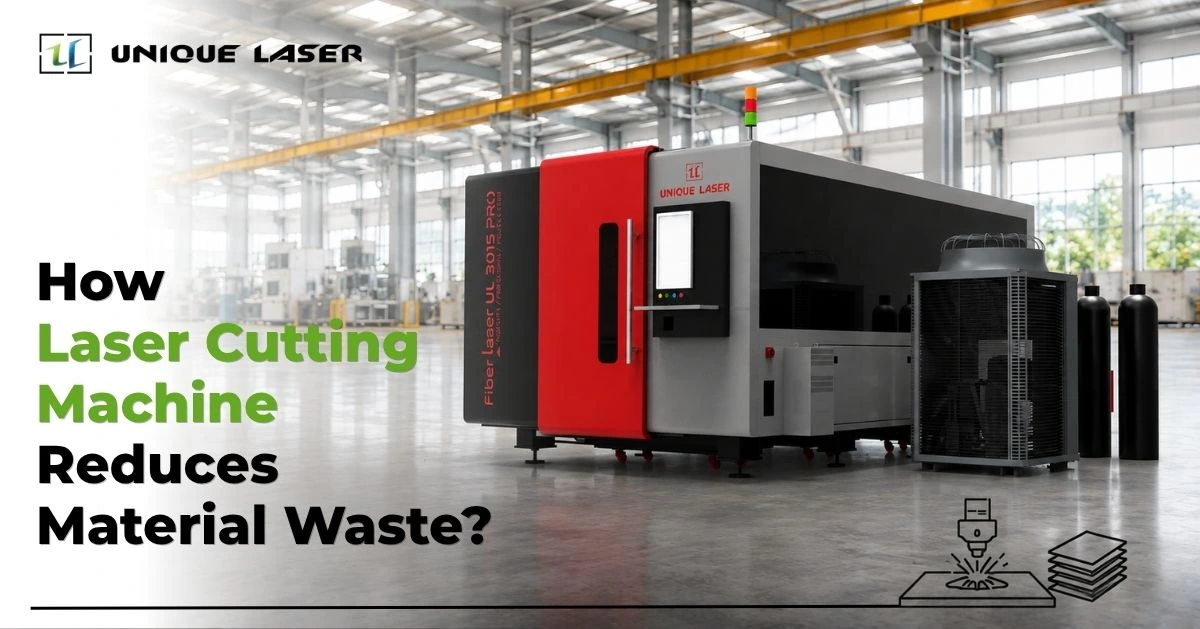
Advanced systems such as the UL 3015 Pro Series include intelligent detection features that help reduce collision risks.
Excessive Machine Downtime
Unexpected downtime can significantly affect production schedules and profitability.
Common reasons include:
- Delayed maintenance
- Component wear
- Electrical issues
- Software errors
Solution
- Implement preventive maintenance programs.
- Monitor machine health regularly.
- Replace worn consumables proactively.
- Utilize remote diagnostics where available.
Preventive maintenance remains one of the most effective laser cutting solutions for minimizing downtime.
How to Prevent Laser Cutting Machine Problems?
Manufacturers can reduce the occurrence of Fiber Laser Cutting Machine problems by following best practices:
- Schedule regular maintenance inspections.
- Train machine operators thoroughly.
- Use genuine spare parts and consumables.
- Maintain clean optics and nozzles.
- Monitor assist gas quality.
- Optimize cutting parameters for each material.
- Keep software and machine controls updated.
Proactive maintenance improves machine reliability and extends equipment lifespan.
Frequently Asked Questions
Common fiber laser cutting machine problems include rough edges, burr formation, incomplete cuts, dross accumulation, nozzle collisions, and unexpected machine downtime.
Poor cut quality is often caused by incorrect cutting parameters, damaged nozzles, dirty lenses, improper focus settings, or inconsistent gas pressure.
Regular maintenance, operator training, proper parameter optimization, and routine inspection of optics and consumables can significantly reduce laser cutting issues.
Burrs can occur due to incorrect focus position, low gas pressure, excessive cutting speed, or worn cutting components.
Preventive maintenance schedules vary by usage, but regular inspections of optics, nozzles, filters, and motion systems are recommended to maintain performance.
Conclusion
A Fiber Laser Cutting Machine offers exceptional precision and productivity, but maintaining optimal performance requires proper operation and regular maintenance. Understanding common laser cutting machine problems such as poor cut quality, burr formation, incomplete cuts, and downtime helps manufacturers identify issues quickly and implement effective solutions. By following best practices and investing in preventive maintenance, businesses can maximize productivity, improve laser cutting accuracy, and achieve long-term manufacturing efficiency.